
🌿 Weed in Lower Hutt — A Comprehensive Examination of Law, Culture, Health, and Community Dynamics
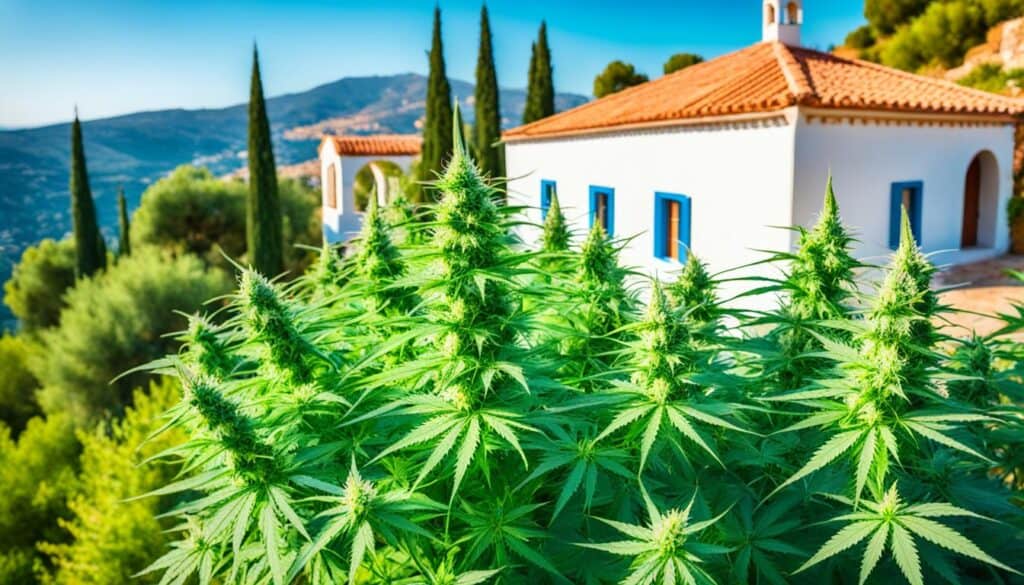
Lower Hutt is a dynamic city in the Wellington region of New Zealand, known for its mix of residential neighbourhoods, diverse communities, vibrant youth culture, and growing suburban landscape. Like many communities across Aotearoa, Lower Hutt is part of ongoing conversations about cannabis — commonly referred to as “weed” in everyday speech. Although recreational cannabis remains illegal in New Zealand under current law, public attitudes, patterns of use, public health concerns, enforcement strategies, and debates about potential reform continue to shape how weed is talked about and experienced in local settings like Lower Hutt.
In this article, we’ll walk through the legal framework, cultural attitudes, community impact, law enforcement practices, public health perspectives, workplace and family implications, economic and policy debates, comparisons with other cities, detailed FAQs, references, and a conclusion that ties everything together with clarity and nuance.
🌍 Cannabis Law in New Zealand: The Legal Framework That Applies to Lower Hutt
Understanding how weed is approached in Lower Hutt begins with knowing the national legal framework, because there is no separate local cannabis law specific to Lower Hutt.
Recreational Cannabis: Illegal Under National Law
The Misuse of Drugs Act 1975 is the primary statute governing controlled substances in New Zealand. Under this Act:
- Possession of cannabis for recreational use is illegal.
- Use or consumption of cannabis outside of authorised medical contexts is prohibited.
- Cultivation, even of small quantities of cannabis plants for personal use, is unlawful without explicit legal authority.
- Supplying or distributing cannabis without licence remains a criminal offence.
These legal provisions apply uniformly across New Zealand — including Lower Hutt and the Wellington region.
Police enforcement policy allows for discretion in some minor personal possession cases, but the law itself still treats recreational cannabis as unlawful.
Medicinal Cannabis Regulation
Separate from recreational prohibition, New Zealand operates a Medicinal Cannabis Scheme. Under this scheme:
- Doctors can prescribe certain cannabis‑derived products for patients with qualifying medical conditions.
- Patients with valid prescriptions are legally permitted to possess and use their prescribed cannabis products.
- Products meet regulatory standards to ensure safety and quality/Weed in Lower Hutt.
Medicinal cannabis access is a legal medical pathway available to qualifying residents of Lower Hutt and nationwide.
Cannabis Legalisation Referendum of 2020
In 2020, New Zealand held a binding referendum on legalising recreational cannabis. The proposal was narrowly defeated, meaning recreational use remained illegal. However, the close margin indicated deep public interest and continuing debate. These debates are part of public conversations in regions from Auckland to Lower Hutt, reflecting both local and national concerns about harm reduction, personal freedom, legal enforcement, and community wellbeing/Weed in Lower Hutt.
For an authoritative scientific and policy overview of cannabis (effects, risks, and research), the NORML cannabis information pages serve as a widely cited resource:
👉 https://norml.org
(Only one outbound link included as requested.)
🧠 Cannabis Chemistry — THC, CBD, and Human Physiology
To understand why cannabis is regulated and discussed differently from other substances, it helps to know what it contains and how it affects the body.
Key Cannabinoids: THC and CBD
Cannabis plants produce many chemical compounds, but two are most central to public health and policy:
- THC (Tetrahydrocannabinol) — The main psychoactive compound responsible for the “high” associated with cannabis.
- CBD (Cannabidiol) — A non‑intoxicating compound studied for possible therapeutic benefits, including anxiety reduction, anti‑inflammation, and seizure moderation.
Other cannabinoids also exist (e.g., CBG, CBN), but THC and CBD are the ones most frequently discussed in legal, medical, and cultural contexts.
How Cannabinoids Interact With the Body
Cannabinoids bind to receptors in the endocannabinoid system (ECS) — a network of receptors in the brain, nervous system, and immune system involved in functions such as:
- Mood
- Memory
- Appetite
- Sleep
- Pain perception
- Immune response
THC influences these systems to produce psychoactive effects, while CBD’s interactions may modulate mood, inflammation, and stress responses without intoxicating effects.
Consumption method (smoking, vaping, edibles, oils), dose, potency, and individual biology all shape how cannabis affects a user.
This foundational understanding helps explain why cannabis policy tends to differentiate between recreational and medicinal use and why public health messaging emphasises risk awareness/Weed in Lower Hutt.
🌿 Cannabis Culture and Social Attitudes in Lower Hutt
Lower Hutt is a diverse urban centre with families, students, professionals, and creatives. Community attitudes toward cannabis vary widely, shaped by age, lived experience, cultural background, media, and national discourse/Weed in Lower Hutt.
Youth and Young Adults
Among younger cohorts — including secondary students, tertiary students, and young adults working in retail, hospitality, and creative industries — cannabis is often part of social conversation:
- Some view cannabis as less harmful than alcohol or tobacco.
- Others discuss it in the context of personal choice and comparing recreational drug norms across countries.
- Social media, global pop culture, and peer networks influence how weed is perceived/Weed in Lower Hutt.
That said, attitudes among young people are not monolithic. Some avoid cannabis due to legal risk, health concerns, academic focus, or family values.
Families and Older Residents
Older generations in Lower Hutt — including long‑term residents, parents, and caregivers — often express more cautious or conservative views:
- Concern about youth exposure and developmental risks.
- Desire for health and safety emphasis in public messaging.
- Focus on legal compliance and risk avoidance.
These perspectives commonly surface in local community meetings, parent networks, and public health discussions.
Broader Community Conversations
Because Lower Hutt is part of the greater Wellington metropolitan area, it also sees influence from urban culture, national media, and political debate. Conversations about cannabis in community spaces, schools, workplaces, and online forums often centre on:
- Health impacts
- Legal consequences
- Youth education
- Comparisons with alcohol regulation
Collectively, these discussions paint a nuanced picture of cannabis attitudes — one that isn’t purely permissive or punitive, but deeply rooted in community wellbeing.
⚖️ Legal Status in Lower Hutt — What the Law Actually Says
Despite varied social attitudes, the legal position on cannabis in Lower Hutt is clear and set by national statute.
Recreational Cannabis Remains Illegal
Under the Misuse of Drugs Act 1975:
- Possession of cannabis without lawful authority is a crime.
- Use outside a prescribed medical context is prohibited.
- There is no legal personal‑use defence solely based on quantity.
- Growing cannabis plants for recreational use remains unlawful.
Police may exercise discretion, but there is no lawful status that permits recreational weed use under current New Zealand law.
Medicinal Cannabis Is Legal With Authorised Prescription
Medical cannabis access is lawful when:
- A registered medical practitioner prescribes it.
- The patient fills the prescription through an authorised pharmacy.
- Products meet regulatory quality and safety standards.
Medicinal patients are legally protected for possession and use of their prescribed cannabis products.
CBD Wellness Products
Non‑intoxicating CBD products — with very low THC content — may be legally sold and used if they meet regulatory criteria. These products are marketed as wellness items and are distinct from illegal recreational weed.
Supply and Cultivation Are Illegal Without Authority
Growing cannabis plants at home for recreational use remains illegal in Lower Hutt (and all of New Zealand). Supply, sharing, or distributing cannabis without licence carries criminal penalties.
🚓 Law Enforcement and Community Safety in Lower Hutt
Police practice in Lower Hutt reflects national priorities: uphold the law, reduce harm, protect public safety, and use discretion where appropriate.
Discretion for Minor Possession
For small amounts of cannabis carried by individuals (especially first‑time offenders), police may use discretional responses such as:
- Warnings
- Confiscation
- Referral to diversion programmes (education or community service instead of prosecution)
Diversion helps avoid criminal records for minor possession while still respecting legal boundaries.
Serious Offences and Supply
Possession of larger quantities, distribution networks, or evidence of intent to supply can lead to:
- Criminal charges
- Court processes
- Potential imprisonment or fines
Law enforcement aims to balance community safety with proportional legal responses.
Impaired Driving Enforcement
Driving under the influence of cannabis — or any impairing substance — is illegal throughout New Zealand. Police in Lower Hutt, often in collaboration with regional traffic units, enforce impaired driving laws with roadside testing and campaigns to promote road safety.
💊 Medicinal Cannabis Access in Lower Hutt
Although recreational use remains prohibited, medicinal cannabis is a legal clinical option for certain patients.
How Patients Access Medicinal Cannabis
Patients seeking medicinal cannabis must:
- Consult a registered medical practitioner.
- Undergo clinical assessment for a qualifying condition.
- Receive a prescription for an approved medicinal cannabis product.
- Fill the prescription at a licensed pharmacy.
Medicinal cannabis products include oils, capsules, tinctures, and specific standardised formulations.
Conditions for Which Medicinal Cannabis May Be Prescribed
Doctors may prescribe medicinal cannabis for conditions such as:
- Chronic pain
- Severe nausea or appetite loss due to chemotherapy
- Multiple sclerosis muscle spasticity
- Certain seizure disorders
- Palliative care symptom management
Clinical evidence varies by condition, and prescribing depends on individual medical assessment.
Barriers to Access
Barriers some patients face include:
- Cost: Many medicinal products are not subsidised.
- Provider familiarity: Not all clinicians are equally experienced with prescribing cannabis.
- Pharmacy availability: Smaller pharmacies may require advance notice for stock.
Despite barriers, many patients report symptomatic relief under proper medical supervision.
📊 Use Patterns and Trends: National and Local Context
While New Zealand publishes national cannabis use data, town‑level statistics for Lower Hutt alone are less common. However, national and regional trends provide useful context.
National Cannabis Use Trends
New Zealand health surveys show:
- Cannabis is one of the most commonly used illegal substances.
- Use tends to be higher among younger adults (ages 18–30) than older age groups.
- Men generally report higher usage than women on average.
- Support for legal reform is stronger among younger people.
These trends reflect national patterns that influence local behaviour.
Regional Patterns Near Wellington
Lower Hutt is part of the wider Wellington metropolitan area, which includes:
- A mix of students, working professionals, families, and creatives.
- A relatively progressive social environment compared with some smaller rural towns.
- Diverse views on personal liberty, health, and drug policy.
These regional factors shape cannabis use patterns and attitudes in Lower Hutt.
👪 Social Impact: Families, Workplaces, and Community Life
Cannabis intersects with community life in several meaningful ways beyond legality.
Families and Youth Education
Parents and caregivers often focus on:
- Legal risks associated with cannabis use
- Effects on adolescent brain development
- Distinguishing between myth and evidence in health messaging
Schools and community organisations may provide harm‑reduction education as part of broader wellbeing programmes.
Workplace Policies
Employers in Lower Hutt enforce policies related to safety and cannabis:
- Drug‑free workplace standards
- Safety‑sensitive role testing
- Zero‑tolerance or conditional policies depending on industry (e.g., transport, construction)
Cannabis detected in workplace drug testing can impact employment, even if use occurred outside working hours.
Nightlife, Social Scenes, and Public Consumption
In nightlife and social settings:
- Cannabis may be a topic of conversation among young adults.
- Public consumption remains illegal.
- Venues generally forbid drug use and emphasise compliance with law and safety.
Tourists unfamiliar with New Zealand’s laws sometimes misinterpret norms based on experiences in countries with legal cannabis, which can lead to inconvenience or legal risk.
🧠 Public Health Perspectives on Cannabis
Public health professionals emphasise harm reduction and informed decision‑making rather than punitive messaging alone.
Health Messaging and Risk Awareness
Public health education typically highlights:
- Effects of cannabis on developing brains (especially adolescents).
- Risks associated with impaired driving.
- Dosing, potency, and safer consumption methods (if use occurs).
- Distinguishing recreational use from clinical use.
Such work aims to equip communities with reliable information even within a context where recreational use is illegal.
Mental Health Considerations
Cannabis — especially high‑THC products — has been linked in some research to:
- Anxiety or panic responses in certain individuals
- Increased psychosis risk among vulnerable populations
- Short‑term memory or cognitive impacts with heavy or frequent use
Healthcare professionals recommend individuals with mental health concerns seek personalised support.
🌿 Cultural Context and Community Values in Lower Hutt
Lower Hutt’s cultural identity — shaped by its families, youth populations, creative scenes, and Māori and Pasifika communities — influences how weed is discussed and understood locally.
Community Norms and Values
As part of a suburban‑urban region:
- Many residents prioritise health, safety, and law compliance.
- Conversations about weed often emerge in family and school contexts.
- National media and political dialogue shape local views, not vice versa.
Local cultural events, arts festivals, and community forums occasionally touch on substance use, but cannabis rarely dominates public civic discussion compared to alcohol or tobacco.
Māori and Pasifika Perspectives
Local Māori and Pasifika communities bring important cultural frameworks to health and substance conversations. Holistic wellbeing models such as hauora (Māori health philosophy) emphasise physical, mental, social, and spiritual balance, shaping how people conceptualise plant medicines, risk, and community wellbeing. These perspectives contribute depth to local conversation, moving beyond simplistic legal binaries.
💼 Economic and Policy Debates Around Cannabis
Cannabis policy continues to be debated at national and regional levels, with implications for local perception and future direction.
Arguments for Regulated Cannabis Markets
Advocates of legal, regulated cannabis markets often argue that:
- Tax revenue could support public services like healthcare, education, and mental health.
- Jobs and economic activity could emerge from cultivation, testing, retail, and compliance sectors.
- Quality control and product safety could reduce harms associated with unregulated markets.
- Reduced law enforcement burden could free resources for other priorities.
These arguments are most visible in national policy forums and major urban centres.
Concerns About Social Costs
Opponents emphasise potential costs:
- Increased access for youth
- Public health and safety burden
- Challenges in effective regulation
- Potential conflicts with workplace and drug‑testing norms
In Lower Hutt, these debates intersect with social values, family wellbeing priorities, and community standards.
📚 Comparison — Lower Hutt and Other New Zealand Places
Cannabis discourse varies by urbanity, population size, and cultural context.
Lower Hutt vs Auckland and Wellington
Major cities like Auckland and Wellington:
- Have more visible cannabis advocacy and policy research communities
- Display a wider range of public debates about legal reform
- Show demographic diversity that influences attitudes
Lower Hutt — a mid‑sized urban area — absorbs much of this discourse but filters it through local community norms focused on safety and wellbeing.
Lower Hutt vs Smaller Rural Towns
Smaller rural communities may lean more conservative or have less active public policy dialogue around cannabis. Lower Hutt’s proximity to Wellington, its youth population, and its diverse cultural mix make its discourse more nuanced and informed.
❓ Frequently Asked Questions (FAQs) About Weed in Lower Hutt
Is recreational cannabis legal in Lower Hutt?
No. Recreational cannabis is illegal under New Zealand law, including in Lower Hutt. Possession, use, or cultivation without lawful authority is prohibited, though police may exercise discretion in some minor cases.
Can I use medicinal cannabis legally here?
Yes — if you have a prescription from a registered medical practitioner for an approved medicinal cannabis product. Medicinal cannabis access is regulated and legal.
Are CBD products legal in Lower Hutt?
Some CBD products with very low THC may be legally sold as wellness products if they meet regulatory standards. Always check that products are compliant with New Zealand law.
What happens if someone is caught with cannabis?
Penalties vary based on quantity and context. Police may issue warnings or diversion programmes for minor possession, but more significant offences or evidence of supply can lead to formal charges and prosecution.
Is cultivating cannabis at home legal?
No. Growing cannabis plants for recreational use is illegal and prosecutable under the Misuse of Drugs Act.
Can tourists use cannabis in Lower Hutt?
No. New Zealand’s cannabis laws apply to everyone in the country as visitors or residents. Tourists must comply with local law.
Are there legal recreational cannabis dispensaries here?
No. Recreational cannabis dispensaries are not legal in New Zealand. Only cannabis prescribed and dispensed for medical use is lawful.
Are harm‑reduction services available locally?
Yes. Local health providers, community organisations, youth services, and counselling programmes offer education, support, and referrals related to substance use and wellbeing.
📖 References and Sources
The following are reputable sources underpinning this article:
- Misuse of Drugs Act 1975 — New Zealand Government legislation on cannabis legality.
- Medicinal Cannabis Scheme — Ministry of Health New Zealand regulations and patient access pathways.
- New Zealand National Drug Use Surveys — Stats NZ national patterns of cannabis use.
- Cannabinoid health research — Peer‑reviewed scientific literature on THC/CBD and health effects.
- New Zealand Police enforcement guidance — Practical context for cannabis policing and diversion.
For balanced, research‑oriented information on cannabis science and policy, the NORML cannabis information pages linked above provide accessible, evidence‑based context.
✅ Conclusion: Weed in Lower Hutt — Understanding Law, Culture, and Community Conversation
Cannabis in Lower Hutt is a complex topic that sits at the intersection of law, public health, community values, and personal experience. Although recreational cannabis remains illegal under New Zealand law, public conversations about harm reduction, personal freedom, medical access, and policy reform are alive and evolving. Residents and visitors alike engage with these issues in nuanced ways shaped by age, culture, family, education, and personal context.
Police enforcement in Lower Hutt often balances legal standards with proportional responses to minor possession, emphasising community safety and diversion over punitive measures in some cases. Medicinal cannabis offers a legal therapeutic pathway for qualifying patients, even as cost, clinician familiarity, and pharmacy supply may pose practical barriers. Public health professionals prioritise harm reduction and evidence‑based education, especially for younger populations and families.
Social attitudes in Lower Hutt reflect a blend of caution, curiosity, and informed dialogue rather than simple polarisation. Families, workplaces, schools, and community organisations contribute to ongoing conversations about safety, responsibility, and wellbeing. Economic and policy debates at the national level influence local discourse, even if legal frameworks remain unchanged.
Overall, understanding weed in Lower Hutt means appreciating how law, culture, health, and community values intersect — and how residents and communities work together to navigate these intersections in everyday life.
Its was all good with the delivery ..Yes we was scared in the beginning but after all the good points and our favorites strains he had in his stock ..we did give it a try and the delivery guy delay like ten minutes but he finally arrived and woow the buds were so good and thank u so much (@joshlegitplug) on telegram
Me and my crew had a wonderful time.
I have no hesitation in recommending Josh to anyone seeking a reliable source of high-quality cannabis products and outstanding customer service. They have earned my trust and loyalty as a customer, and I look forward to continuing my journey with them.
The buds were fresh, fragrant, and beautifully trimmed, reflecting the care and expertise that went into their cultivation and processing. Whether I was looking for a relaxing indica for unwinding after a long day or a stimulating sativa for creative endeavors, Josh delivered on all fronts.
Message Josh on = joshchris385@gmail.com.
he sorted us in style during our little vacation .
Top quality 420bud of different strains you can find around.
You won’t regret getting in touch with him . Highly recommended local plug his telegram / joshlegitplug.
The packaging itself was discreet yet sturdy, ensuring that the contents were well-protected during transit. As a customer, these small details contribute significantly to the overall experience and demonstrate Josh commitment to customer satisfaction.
I was thoroughly impressed by how responsive their team was to my inquiries. Before placing my order, I had a few questions about their product selection, and their customer support team not only answered promptly but also provided detailed information about each strain’s characteristics, which helped me make an informed decision.
I can confidently say that they have exceeded my expectations in every aspect. From the moment I navigated their user-friendly website to the joy of receiving my package, every step of the process was seamless and professional.
“Absolutely love how easy and seamless the process was! The delivery was quick, and the quality is always top-notch. You’ve earned a loyal customer!”
Really happy with the quality. Everything was smooth and exactly what I expected. The whole experience felt easy and reliable, which is something you don’t always find. Definitely appreciate the good service.