
🌿 Weed in Auckland — A Deep, Nuanced Portrait of Culture, Law, and Community Life
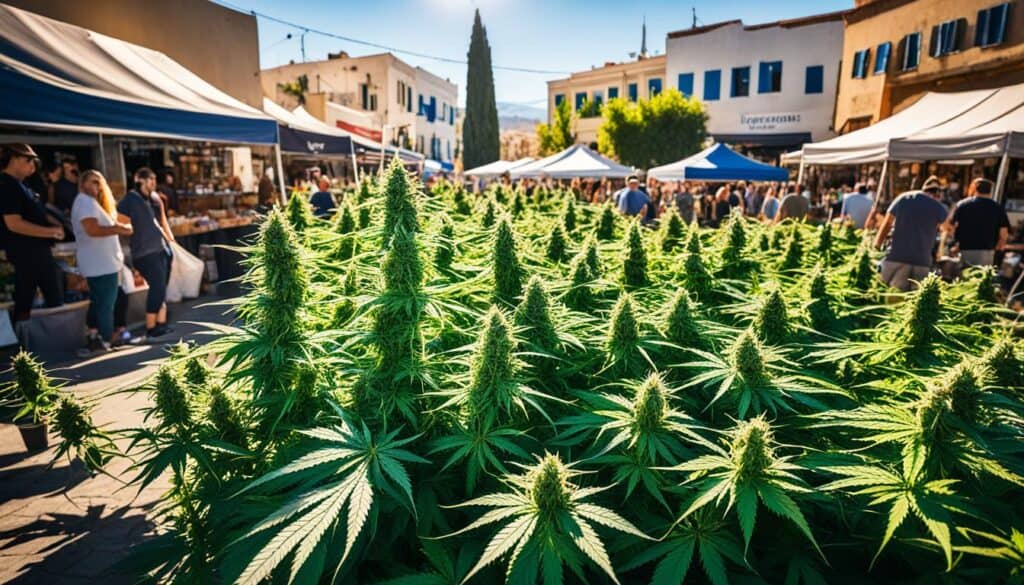
Auckland is New Zealand’s largest and most diverse city — a metropolitan hub where cultures converge, lifestyles vary widely, and public debate shapes civic life. As New Zealand’s biggest urban centre by population and economic activity, Auckland reflects many of the nation’s broader conversations about cannabis — its social presence, legal status, patterns of use, health impacts, and future prospects.
In Auckland, “weed” is a term commonly used in everyday conversation, especially among youth, students, creatives, and subcultures. At the same time, the legal framework remains clear: recreational cannabis is illegal everywhere in New Zealand, including Auckland. But that legal line exists alongside complex social realities — including diverse attitudes, enforcement practices, public health concerns, and ongoing debates about reform.
This extensive article examines weed in Auckland from multiple angles, starting with legal foundations and moving through culture, enforcement, health, economics, social impact, and future outlook. By the end, you’ll have a comprehensive understanding of how cannabis fits into the fabric of Auckland life today — and how that fabric might evolve.
🌍 National and Regional Legal Framework for Cannabis in New Zealand
To understand weed in Auckland, it’s essential to start with the legal code that governs cannabis nationally — because in New Zealand, drug law is set at the national, not city, level.
Misuse of Drugs Act 1975
Cannabis is classified under the Misuse of Drugs Act 1975 as a controlled illegal drug. Under this law:
- Possessing cannabis without lawful authority is illegal.
- Using cannabis for recreational purposes is prohibited.
- Cultivation or growing of cannabis plants remains a criminal offense.
- Supplying, distributing, or selling cannabis without authorization is illegal.
This legal framework applies universally — from rural towns to Auckland’s central suburbs and fringe communities.
2020 National Cannabis Referendum
In 2020, New Zealand held a nationwide cannabis legalization referendum, which asked voters whether recreational use should be legal and regulated for adults. The proposal was narrowly defeated, with roughly 53% voting “No” and 47% voting “Yes.” Despite strong advocacy and close margins, recreational cannabis remained illegal.
However, the referendum outcome highlighted how divided national sentiment has become — and in urban centres like Auckland, support for reform tends to be higher among younger residents than older generations.
Medicinal Cannabis Access
New Zealand has a Medicinal Cannabis Scheme that allows doctors to prescribe cannabis‑derived products for clinical conditions. Patients must meet regulatory criteria and receive prescriptions through legitimate medical pathways. This legal avenue exists alongside the ongoing prohibition of recreational weed.
🧠 Cannabis Chemistry: THC, CBD, and Their Effects
To talk intelligently about cannabis — whether in legal, health, or cultural discussions — it helps to understand the plant’s chemical components and their effects.
Key Cannabinoids
Cannabis contains many chemical compounds called cannabinoids, but two are most relevant to public discourse:
- THC (Tetrahydrocannabinol) – This is the psychoactive compound that produces the “high” associated with cannabis.
- CBD (Cannabidiol) – A non‑intoxicating compound studied for potential therapeutic effects, including anxiety reduction and anti‑inflammatory properties.
Other cannabinoids (like CBG and CBN) exist, but THC and CBD dominate legal, health, and cultural conversations.
How Cannabinoids Work
Cannabinoids interact with the endocannabinoid system (ECS) — a network of receptors involved in regulating mood, appetite, memory, pain perception, and immune function. Effects vary depending on:
- Potency and THC/CBD ratio
- Method of use (smoking, vaping, edibles)
- Individual tolerance and physiology
For an authoritative science‑based overview of cannabis, cannabinoids, and policy issues, one widely referenced resource is the NORML cannabis information pages — a reputable marijuana policy and science site:
👉 https://norml.org
(Only one outbound link included as requested.)
🌿 Cannabis Culture in Auckland: Attitudes, Trends, and Social Norms
Auckland’s cannabis culture is diverse and dynamic — shaped by generational differences, ethnic diversity, urban lifestyles, and subcultural scenes.
Youth and Tertiary Student Perspectives
Auckland has the country’s largest concentration of tertiary institutions — including the University of Auckland, AUT University, and several polytechnics. Among students:
- Cannabis use is often discussed in social settings, parties, and peer networks.
- Many students perceive weed as less harmful than alcohol or tobacco.
- Support for legalization tends to be higher among younger cohorts.
However, normalised discussion does not equate to uniform behaviour — many students choose not to use cannabis due to health, academic, or personal preferences.
Creative, Music, and Urban Subcultures
Auckland’s urban arts and music scenes — from live music venues in Ponsonby to street art in K’ Road (Karangahape Road) — sometimes intersect with cannabis culture. In these environments:
- Weed conversation may be part of broader dialogues about creative expression.
- Social tolerance varies by circle — some groups see cannabis as part of lifestyle, others focus strictly on art and music without substance use.
These subcultures influence how teens and young adults conceptualise weed — not merely as a drug, but as part of social identity and urban experience.
Generational and Ethno‑Cultural Views
Auckland’s population is multi‑ethnic, including Māori, Pacific peoples, Asian communities, Europeans, and recent immigrants. Views on cannabis vary across cultural lines:
- Some older adults and family units express concern about its impact on youth and community health.
- Some Māori and Pacific voices emphasise holistic wellbeing and cultural perspectives on plant medicine.
- Others focus on legal compliance and avoidance of criminal consequences.
This mix of voices creates a nuanced public discourse — one that resists simple generalisations.
⚖️ Legal Realities: What Aucklanders Should Know
Although attitudes toward cannabis vary widely in Auckland, the legal framework remains firm and clear — shaped by national law and exercised locally through Auckland law enforcement.
Recreational Use Is Illegal
Recreational cannabis remains illegal everywhere in Auckland. This means:
- Adults cannot legally carry personal amounts for recreational use.
- Sharing weed, transporting it, or possessing paraphernalia can attract legal consequences.
- Even public smoking can lead to warnings, fines, or charges.
Police in Auckland enforce national drug law and also focus on issues like public safety, youth protection, and community wellbeing.
Discretion and Diversion
In some cases, police may exercise discretion — particularly for small amounts — by:
- Providing warnings
- Offering diversion programs
- Emphasising education over formal charges
Diversion aims to avoid long‑term criminal records for minor possession, especially among first‑time or youth offenders.
Cultivation and Distribution
- Growing cannabis (even small numbers of plants) is illegal without lawful authorization and can result in serious penalties.
- Supplying weed — even to friends — is considered illegal distribution under law.
These offences carry heavier penalties than simple possession.
🚓 Law Enforcement Practice in Auckland
In Auckland, police enforce cannabis laws as part of broader public safety priorities. Enforcement is shaped by considerations like:
- Community impact
- Youth exposure
- Impaired driving
- Distribution networks
Youth and Community Safety
Police often prioritise youth protection — focusing on education, awareness, and diversion where appropriate.
Impaired Driving
Driving under the influence of drugs — including cannabis — is illegal and carries strict penalties. Police use roadside testing and education to curb impaired driving risks.
Supply, Trafficking, and Larger Offences
Larger cases involving trafficking, distribution, or organised supply attract heavier enforcement efforts — including investigations and prosecutions.
💊 Medicinal Cannabis Access in Auckland
Auckland residents seeking medical cannabis have options, but they are bounded by regulation and clinical oversight.
How Medical Cannabis Is Accessed
To access medicinal cannabis legally in Auckland:
- Consult a licensed medical practitioner
- Undergo clinical assessment
- Receive a prescription for an approved medicinal cannabis product
- Fill prescription through a licensed pharmacy
These products are regulated to ensure safety and quality.
Common Medical Use Cases
Medicinal cannabis in Auckland can be used for:
- Chronic pain (where other therapies are ineffective)
- Chemotherapy‑related nausea and appetite support
- Multiple sclerosis spasticity management
- Some seizure disorders
- Palliative care symptom management
Healthcare providers must weigh clinical evidence against individual patients’ needs.
Challenges and Limitations
- Cost: Many medicinal cannabis products are not subsidised, making them expensive.
- Provider Awareness: Not all clinicians are equally familiar with prescribing cannabis.
- Supply Constraints: Pharmacies may have limited stock of specific products.
Despite these challenges, many Aucklanders benefit from cannabis under medical supervision.
📊 Patterns of Cannabis Use in Auckland
While New Zealand has strong national data on drug use, city‑level specifics for Auckland help flesh out local patterns.
National Findings
National surveys show:
- Cannabis is one of the most frequently used illegal substances.
- Usage is higher among young adults (especially ages 18–30).
- Men generally report higher usage than women.
- Support for reform is stronger among younger and urban populations.
Auckland Inferred Trends
Auckland — as the country’s largest urban centre — likely reflects these trends:
- A significant portion of young adults have tried cannabis.
- Use patterns vary widely by age, social group, and cultural background.
- Urban environments may correlate with higher awareness and discussion of cannabis issues.
City‑specific research would help illuminate precise figures, but national patterns offer strong indicators of local behaviour.
👪 Social and Community Impact in Auckland
Cannabis affects community life in Auckland across several domains.
Families and Young People
Parents and caregivers in Auckland often express concern about:
- Cannabis exposure among teens
- Peer pressure and school performance
- Perceptions of harm or normalisation
Community and school programs aim to balance education with harm‑reduction messaging.
Workplace Policies
Auckland’s employers — especially in sectors like construction, health, transport, hospitality, and education — enforce:
- Drug‑free workplace policies
- Safety‑sensitive testing
- Zero‑tolerance standards in certain jobs
Cannabis use can negatively affect employment status if it violates workplace rules or poses a safety risk.
Public Consumption and Social Norms
Public cannabis use remains illegal and socially frowned upon in many contexts — though private, adult‑only use among friends or at home may be tolerated socially (not legally).
🧠 Public Health Perspectives and Harm Reduction
Public health experts in Auckland focus on harm reduction — balancing realistic behaviour with risk awareness.
Harm‑Reduction Messaging
Public health campaigns emphasise:
- The difference between recreational and medical use
- Understanding potency and products
- Avoiding use during adolescent brain development
- Safe decision‑making and risk assessment
These messages aim to reduce potential harm without promoting illegal behaviour.
Mental Health Connections
Cannabis — especially high‑THC products — can be associated with:
- Anxiety or panic reactions
- A heightened risk of psychosis among susceptible individuals
- Short‑term cognitive effects with heavy or frequent use
Healthcare professionals encourage balanced assessment of potential risks and benefits.
🌿 Economic Debate Around Cannabis Policy
Economic arguments are central to many cannabis reform discussions — including in Auckland.
Arguments for Legal, Regulated Markets
Proponents of legalization often argue that regulated cannabis could bring:
- Tax revenues for public services
- Business and job creation in cultivation, retail, testing, and distribution
- Investment in research and development
- Reduced illicit market activity
In jurisdictions with legal cannabis markets (e.g., Canada, some U.S. states), studies show economic contributions and tax income — though outcomes vary.
Economic Concerns
Opponents highlight potential risks:
- Increased access for youth
- Public health and safety costs
- Pressure on emergency services
- Regulation and enforcement expenses
In Auckland, these debates occur in media commentary, policy forums, and community discussions — reflecting a range of economic and social priorities.
🌐 Comparison: Auckland and Other New Zealand Cities
Cannabis discourse varies across urban and rural settings.
Auckland vs Wellington and Christchurch
As larger cities, Auckland, Wellington, and Christchurch tend to:
- Have more active cannabis policy discussions
- Host advocacy groups and research communities
- Show younger demographics with higher support for reform
However, local culture and political context shape distinct approaches in each city.
Urban vs Rural Perspectives
Rural towns may lean more conservative and slower to engage with cannabis reform debates, while urban centres — including Auckland — often see greater diversity of opinion and stronger public discussion.
❓ Frequently Asked Questions (FAQs) About Weed in Auckland
Is weed legal for recreational use in Auckland?
No. Recreational cannabis is illegal in New Zealand, including Auckland. Possessing, using, growing, or distributing weed without lawful authority remains a criminal offense.
Can I legally use medicinal cannabis in Auckland?
Yes — if you have a prescription from a licensed medical practitioner and access to an approved medicinal cannabis product within the regulatory framework.
Are CBD products legal in Auckland?
Some CBD products with very low THC levels may be legal if they meet regulatory requirements. Always verify that products comply with New Zealand law.
What happens if someone is caught with weed?
Consequences depend on the amount and context. Police may use discretion for small amounts (warnings or diversion), but larger quantities or evidence of supply can result in criminal charges.
Is home cultivation legal?
No — growing cannabis for personal recreational use is illegal and can lead to prosecution.
Can tourists use weed in Auckland?
No. Cannabis laws apply to everyone in New Zealand, including visitors. Tourists must comply with local drug laws.
Are there legal dispensaries for weed in Auckland?
No. Recreational dispensaries are illegal. Only medically prescribed cannabis products may be accessed with a valid prescription.
Does Auckland offer harm‑reduction services?
Yes. Health providers, community organisations, schools, and counselling services offer education and support related to substance use.
📖 References and Sources
The material in this article is informed by reputable sources:
- Misuse of Drugs Act 1975, New Zealand Government legislation
- Medicinal Cannabis Scheme, Ministry of Health New Zealand
- New Zealand National Drug Use Surveys, Stats NZ
- Health and Public Policy Research on Cannabis, peer‑reviewed journals
- Police Enforcement Guidelines, New Zealand Police
For an accessible, science‑based overview of cannabis, the linked NORML cannabis information pages provide evidence‑oriented information.
✅ Conclusion: Weed in Auckland — Complex, Evolving, and Multifaceted
In Auckland, weed is more than a legal term — it’s a topic woven into social attitudes, youth culture, public health dialogue, workplace policy, and ongoing policy debate. While recreational cannabis remains illegal under New Zealand law, its presence in public consciousness and everyday conversation reflects a multi‑layered reality.
Young adults and urban subcultures often engage with cannabis in social contexts, while families, health professionals, and community leaders weigh concerns about youth risk, mental health impacts, and legal consequences. Medicinal cannabis offers regulated clinical pathways for some residents, even as barriers — such as cost and provider familiarity — remain.
Law enforcement balances legal compliance with harm‑reduction approaches, and public health messaging emphasises education over stigma. Economic arguments for and against legal reform continue in media, policy forums, and civic discourse — especially among Auckland’s diverse communities.
As New Zealand’s cannabis policy landscape evolves — whether through future referenda, legislative reform, or public health initiatives — Auckland is likely to remain at the crossroads of debate, dialogue, and lived experience.
Message Josh on = joshchris385@gmail.com.
he sorted us in style during our little vacation .
Top quality 420bud of different strains you can find around.
You won’t regret getting in touch with him . Highly recommended local plug his telegram / joshlegitplug.
we did give it a try and the delivery guy delay like ten minutes but he finally arrived and woow the buds were so good and thank u so much josh.
His dealings are smooth and fast and his buds are so so good.
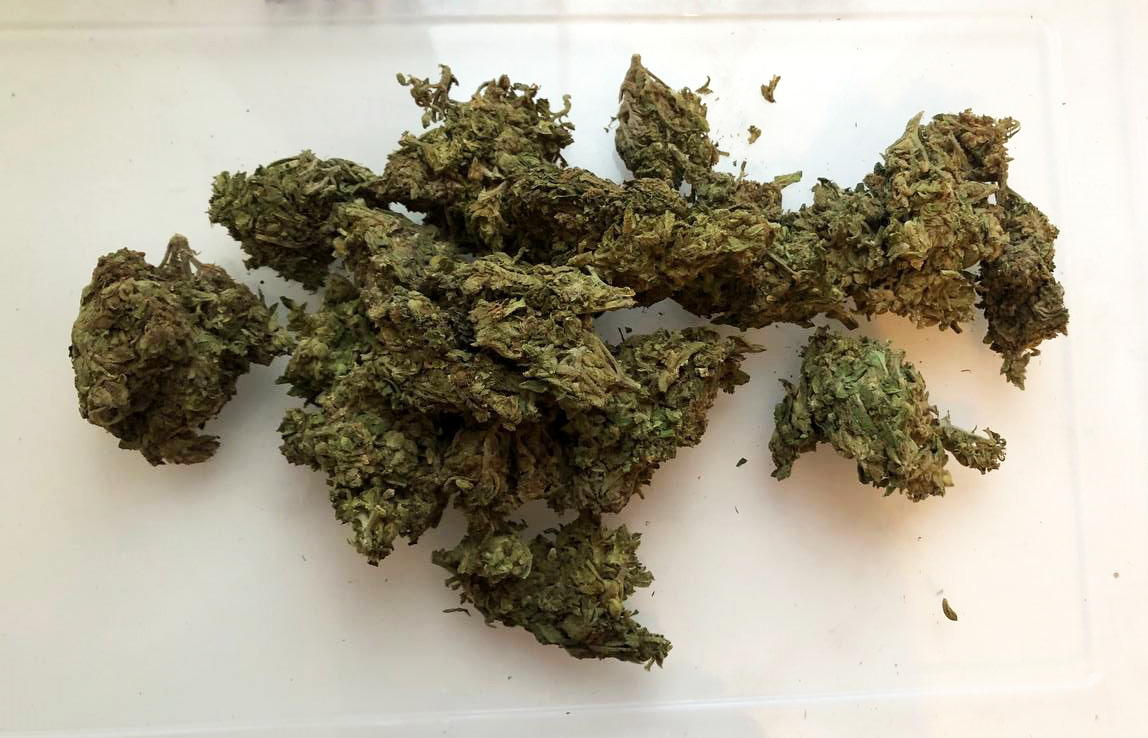
We were lucky over here Me and my crew enjoy our trip our deliveries was very safe. we ordered both Satis and Indis It was a great experience and great feeling as we mix them both and have a good time.
I contacted him on his telegram and due to security reasons he requested crypto payments which i did, about 30minutes later my dope was dropped at my requested location great guy!!!
i highly recommend.
He supply me with his good quality and everything was so good ..Thanks u guys and Thank u so much Josh.
“Absolutely love how easy and seamless the process was! The delivery was quick, and the quality is always top-notch. You’ve earned a loyal customer!”
Really happy with the quality. Everything was smooth and exactly what I expected. The whole experience felt easy and reliable, which is something you don’t always find. Definitely appreciate the good service.