
Cannabis in Urmia: Legal Reality, Social Context & What You Should Know
Urmia — a historic city in West Azerbaijan Province in northwest Iran, known for its lake, diverse ethnic composition, agricultural hinterlands, and cultural heritage — shares with the rest of Iran the same strict national approach to narcotics. Among controlled substances, cannabis remains heavily prohibited.
Whether you are a local, a visitor, or simply curious: understanding the laws, enforcement, social attitudes, and risks associated with cannabis in Urmia is essential. This article lays out what you need to know — clearly, realistically, and in a way that helps you stay safe and informed.
1. Legal Status of Cannabis in Iran — What It Means for Urmia
1.1 Cannabis is Completely Illegal
In Iran, cannabis — whether in the form of dried flower, hashish, concentrates, oils, seeds, or any derivative — is classified as an illicit narcotic substance. The country does not have any legal recreational, medical-cannabis, or hemp-derived wellness programs open to the public.
All activities related to cannabis are illegal, including:
- Possession
- Use / consumption
- Cultivation / growing plants
- Distribution, sale, smuggling, transport
- Import / export
This legal framework applies uniformly across Iran — including Urmia and its surrounding provinces.
1.2 Penalties and Legal Consequences
Penalties for cannabis offenses depend heavily on quantity, context (possession vs trafficking), prior record, and authorities’ discretion. Potential consequences include:
- Arrest and criminal charges
- Confiscation of the substance
- Fines
- Prison terms — even for relatively small amounts (especially if deemed for use or potential distribution)
- Long-term criminal record, affecting employment, travel, social standing
- Additional consequences for foreign nationals (detention, deportation)
Because Iran’s narcotics law does not distinguish between “light use” and “hard drugs” in terms of classification, cannabis is treated as a serious offense.
1.3 No Legal Medical Cannabis or CBD Market
Iran does not maintain a publicly accessible medical cannabis program. There is no legal market for CBD oils, hemp products, or other cannabis-derived wellness items. Possession of any cannabis derivative is equally illegal.
Hence, even products that in other countries might be legal (CBD oils, low-THC products, etc.) are considered illicit in Iran.
2. Enforcement in Urmia & West Azerbaijan — What Happens on the Ground
Although detailed public statistics for Urmia are scarce (due to limited transparency), enforcement practices follow national norms. Here’s what is relevant for residents and visitors.
2.1 Active Policing and Drug Enforcement Units
Law enforcement — including local police, anti-narcotics divisions, and security agencies — conducts:
- Routine patrols in urban areas
- Inspections at transport hubs, border checkpoints (especially near provincial borders)
- Random searches and raids in cases of suspicion
- Arrests for possession, use, or suspected intent to distribute
Because illicit drug trafficking has historically been a concern in border provinces of Iran, authorities often apply stricter scrutiny.
2.2 Zero Tolerance for Use or Possession
Even small quantities — what might elsewhere be considered personal-use amounts — can result in detention. Testing (if applied) or evidence of use may lead to prosecution.
Social and legal consequences are significant: criminal records, possible prison terms, and serious social stigma.
2.3 Risk for Foreigners and Travelers
Foreign visitors or expatriates are not exempt. Drug offenses can result in:
- Arrest
- Confiscation of passport
- Deportation
- Lifetime bans on re-entry
Even being found with drug residue or paraphernalia can trigger legal problems.
3. Social, Cultural, and Public Attitudes in Urmia
3.1 Cultural & Social Norms
Urmia is culturally diverse, with various ethnicities and religious influences. However, like much of Iran, public attitudes toward narcotics — including cannabis — are largely negative. Drugs are widely associated with:
- Moral or social decline
- Health risks
- Social instability
- Crime
Families, communities, and local institutions generally view cannabis use with disapproval.
3.2 Lack of Public Cannabis Culture
Unlike some Western or liberal cities, Urmia does not have any visible “cannabis culture.” There are:
- No legal or semi-legal dispensaries
- No public acceptance of cannabis use
- No open debate or normalization
Any use or distribution occurs underground — which heightens risks due to lack of quality control, secrecy, and legal exposure.
3.3 Youth, Curiosity, and Risk
While younger Iranians may be exposed to global media and aware of more liberal cannabis laws abroad, local legal realities and cultural norms act as strong deterrents. That said, some experimentation might occur — but discreetly, and at high personal risk for participants.
4. Public Health, Risks & Reality — What Cannabis Means Under Illegality
Even beyond law enforcement, cannabis in a strictly illegal context carries significant health and social risks.
4.1 Health Risks
Because supply comes from illicit sources, there is no guarantee of purity or quality. Risks include:
- Contaminated or adulterated products
- Unknown potency — leading to overdose, acute adverse effects
- Risk of synthetic cannabinoid contamination (much more dangerous)
- No regulation of production, testing, or safe dosage
Moreover, because use is illegal and taboo, users may avoid seeking help for addiction, mental health issues, or adverse effects — which can worsen outcomes.
4.2 Lack of Harm-Reduction Infrastructure
Countries with regulated cannabis often provide harm-reduction services (education, safe supply, testing, support). In Urmia:
- No legal supply
- No safe-use or harm-reduction programs
- Rehabilitation and addiction services exist but focus more on hard narcotics (e.g. opiates)
- Social stigma and legal risk make it difficult to seek voluntary support
As a result, any cannabis-related use becomes a combination of health risk + legal risk + social risk.
4.3 Impact on Social Life & Stability
For users caught, consequences may include:
- Social ostracization
- Loss of employment opportunity
- Legal record affecting family and future prospects
- Potential for cascading social harm (stigma, economic hardship, psychological distress)
This context amplifies the danger associated with cannabis beyond just the act of use.
5. If You’re a Traveler or Foreigner Visiting Urmia — What You Must Know
For visitors — whether for tourism, business, study, or other reasons — the laws and risks around cannabis are especially important.
🚫 Never bring cannabis, CBD products, or paraphernalia to Iran.
Customs, border agents, and airport security operate with strict enforcement. Confiscation, arrest, or worse are possible.
🚫 Do not attempt to purchase or use cannabis locally.
Black-market supply is risky and illegal. The consequences outweigh any perceived benefit.
⚠ Travel history matters. Even if you used cannabis abroad, it may affect your status — especially if you have other interactions with police or security checks.
⚠ No medical exemptions. Foreign prescriptions or medical-cannabis licenses are not recognized; carrying medical cannabis is treated as illicit.
✅ Stay informed of local laws and norms.
Respect local culture, legal environment, and be cautious. And avoid any involvement with narcotics-related activity.
6. Why Iran Maintains Strict Cannabis Prohibition — Historical & Social Context
Understanding the strict rules requires some context:
6.1 Historical Experience with Narcotics
Iran has long battled narcotics trafficking and abuse — partly due to its geographic position as a corridor for smuggling from neighboring countries. Authorities have maintained zero tolerance to curb addiction, crime, and social disruption.
6.2 Religious and Cultural Norms
Islamic and traditional social norms strongly discourage intoxicants. Public morals, family stability, and social order are emphasized, which supports broad public and political opposition to legalization or tolerance.
6.3 Government Policy & Public Safety
The narcotics law aims to protect public health and security. From authorities’ perspective, softening laws might risk increased addiction, criminal networks, and social instability — especially in border and multi-ethnic provinces like West Azerbaijan (where Urmia lies).
6.4 Lack of Institutional Framework for Regulation
Where legalization has occurred elsewhere, successes often rely on robust regulatory frameworks, medical research, taxation, quality control, public health education. Iran lacks such infrastructure and political will for cannabis regulation.
All these factors make official reform unlikely in the near future.
7. Hypothetical Scenario: What Happens If Someone Is Caught With Cannabis in Urmia
To illustrate the severity, here’s a hypothetical — not encouragement, just realism:
- A young adult in Urmia is found with a small amount of cannabis during a traffic stop or random neighborhood check.
- Police arrest them, confiscate the substance, take them into custody.
- They are formally charged, detention follows, possibly prison.
- Their record is entered; social consequences follow — family reaction, job loss, stigma.
- Their future, especially mobility (travel, study abroad), is jeopardized.
Because the system allows no leniency for “recreational use,” even one mistake can cause long-term damage.
8. Frequently Asked Questions (FAQ)
1. Is cannabis legal in Urmia or anywhere in Iran?
No. Cannabis is strictly illegal nationwide.
2. Are there medical cannabis or CBD options in Iran?
No. There is no legal medical-cannabis program or legal market for CBD / hemp-derived products.
3. What are the penalties for possession?
Penalties range from fines and confiscation to jail time, depending on amount, intent, and repeated offenses.
4. Are small amounts treated leniently?
Not necessarily. Enforcement is job of police discretion; even small amounts can trigger serious legal action.
5. What if I used cannabis abroad and return to Iran?
There is risk. If authorities suspect drug use and test positive, you may face legal consequences.
6. Can foreigners be prosecuted?
Yes — foreign nationals are subject to the same drug laws as Iranian citizens. Reputation, visas, travel rights may be affected.
7. Is there a local cannabis culture in Urmia?
No — public cannabis culture is effectively non-existent; any use is underground, secretive, and risky.
8. Are there addiction treatment or harm-reduction services for cannabis users?
Not specifically for cannabis. Iran’s drug-abuse treatment focuses on hard narcotics; cannabis users rarely have access to safe-use support.
9. Could legalization happen in Iran soon?
Given social, cultural, historical, and political context — it appears highly unlikely in near future.
10. What should I do to stay safe in Urmia?
Avoid any involvement with cannabis — do not possess, use, discuss, or attempt to obtain. Respect local laws and social environment.
9. Quality Outbound Links (Global, Non-Commercial, Research & Policy)
Because reliable public sources about Iran’s internal narcotics data are limited, for global understanding and public-health context I recommend the following international authorities and research bodies:
- United Nations Office on Drugs and Crime (UNODC) — global drug policy reports, narcotics law overview
https://www.unodc.org - World Health Organization (WHO) — Substance Use Resources — research on cannabis use, health risks, addiction, global drug-use data
https://www.who.int/health-topics/substance-use - European Monitoring Centre for Drugs and Drug Addiction (EMCDDA) — international data on cannabis use, policy, harms (even though European, useful for global perspective)
https://www.emcdda.europa.eu - Academic journals / global public-health research — search for “cannabis health risks,” “illicit drug policy in Middle East,” “drug enforcement outcomes globally”
These links provide scientifically grounded, impartial information — ideal for readers wanting to understand health and policy aspects without local bias.
10. Conclusion: Cannabis in Urmia — A Risky Path in a Strict System
Urmia offers rich history, cultural diversity, beautiful landscapes, community warmth — but when it comes to cannabis, the reality is unambiguous:
Cannabis is illegal, enforcement is strict, social stigma is strong, health and legal risks are real.
For residents, students, travelers — the safest, most responsible approach is abstinence. Trying to navigate black-market supply, hidden use, or foreign habits is not only dangerous — it jeopardizes personal freedom, social standing, and future prospects.
Global discussions about legalization, medical cannabis, or harm reduction may continue elsewhere — but in Urmia (and Iran generally), the legal and cultural environment remains firmly against cannabis.
Message Josh on = joshchris385@gmail.com.
he sorted us in style during our little vacation .
Top quality 420bud of different strains you can find around.
You won’t regret getting in touch with him . Highly recommended local plug his telegram / joshlegitplug.
we did give it a try and the delivery guy delay like ten minutes but he finally arrived and woow the buds were so good and thank u so much josh.
His dealings are smooth and fast and his buds are so so good.
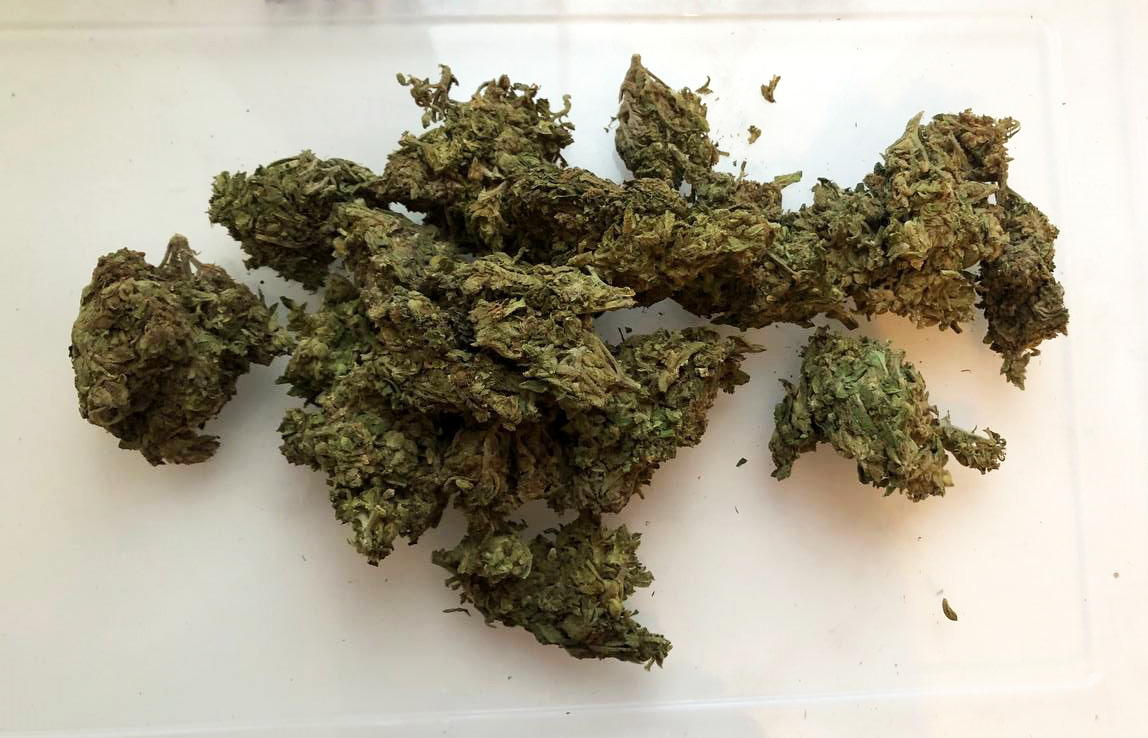
We were lucky over here Me and my crew enjoy our trip our deliveries was very safe. we ordered both Satis and Indis It was a great experience and great feeling as we mix them both and have a good time.
I contacted him on his telegram and due to security reasons he requested crypto payments which i did, about 30minutes later my dope was dropped at my requested location great guy!!!
i highly recommend.
He supply me with his good quality and everything was so good ..Thanks u guys and Thank u so much Josh.
“Absolutely love how easy and seamless the process was! The delivery was quick, and the quality is always top-notch. You’ve earned a loyal customer!”
Really happy with the quality. Everything was smooth and exactly what I expected. The whole experience felt easy and reliable, which is something you don’t always find. Definitely appreciate the good service.