
Cannabis in Tokyo – Laws, penalties, culture, enforcement, risks, history, and social attitudes in modern Japan
Tokyo is one of the world’s most fascinating megacities — a place where hyper-modern architecture coexists with centuries-old temples, where pop culture thrives beside corporate suits, and where innovation is woven into daily life. But despite Japan’s global image as futuristic and progressive, its stance on cannabis remains one of the strictest in the developed world.
Visitors, expats, and even online observers often get surprised by how harsh cannabis laws are in Japan. Tokyo, despite being a global center of culture and fashion, follows the country’s zero-tolerance approach thoroughly.
This article offers a complete, detailed, human-readable look at cannabis in Tokyo — including legal status, enforcement patterns, cultural attitudes, historical context, and the real risks involved. It includes an FAQ and authoritative outbound links for deeper research.
1. Cannabis in Japan: One of the Strictest Legal Frameworks in the World
1.1 Absolute Prohibition
Japan’s Cannabis Control Act (1948) makes it illegal to:
- Possess cannabis
- Use cannabis
- Grow cannabis
- Sell, supply, or distribute cannabis
- Import or export cannabis
No exceptions exist, except for highly controlled industrial hemp licensed cultivation. Even possession of trace amounts can result in arrest.
1.2 Possession Penalties
Simple possession can lead to:
- Up to 5 years imprisonment
- Significant fines
- Public shaming through media coverage
- Career damage (especially for public figures, athletes, and corporate employees)
Japan’s justice system often pursues drug offenses with seriousness, and trials rarely result in leniency for foreigners.
1.3 Use Is Also a Crime
Unlike some nations where consumption is not explicitly criminalized, in Japan:
Using cannabis is itself a punishable crime.
This includes being under the influence even if cannabis was used outside Japan.
1.4 Trafficking Penalties
Production, sale, or trafficking can result in:
- 7–10+ years imprisonment
- Extremely high fines
- Additional charges for organized crime involvement
1.5 Zero Tolerance at Borders
Japan enforces strict border checks:
- Drug-sniffing dogs at airports
- Random luggage inspection
- Digital surveillance and screening
Customs agents routinely warn inbound travelers against bringing prohibited substances.
2. Tokyo’s Enforcement Environment
Tokyo, as the nation’s capital, is a hub of law enforcement activity.
2.1 Tokyo Metropolitan Police Department (TMPD)
TMPD is highly vigilant about drug crime. Cannabis arrests often result from:
- Street checks
- Reports from neighbors
- Online surveillance
- Foreign postal package interceptions
- Nightlife-area monitoring
2.2 Foreign Nationals
Contrary to myths, foreigners do not receive lighter treatment. In many cases, foreign nationals experience:
- Faster arrest
- Mandatory detention
- Public deportation after sentencing
Japan’s detention system allows suspects to be held for up to 23 days pre-charge, often in isolation.
2.3 Crackdowns Increasing
In recent years, cannabis arrests have increased, partly due to:
- Rising domestic cannabis interest
- Government response to youth trends
- Strong political pressure to maintain public order
Celebrity arrests often receive broad media coverage to reinforce the deterrent message.
3. Cultural Attitudes Toward Cannabis in Tokyo
Japanese society is among the most cannabis-averse in the industrialized world.
3.1 Strong Social Stigma
Cannabis is culturally associated with:
- Crime
- Delinquency
- Social instability
- Moral failure
- “Bad influence from the West”
Even casual discussion in public may be frowned upon.
3.2 Workplace Consequences
Japanese companies take drug policies extremely seriously:
- Random drug testing is used in some industries
- Employees arrested for cannabis often lose employment
- Apology press conferences are common among public figures
3.3 Media Framing
Japanese media frequently uses terms like:
- “Dangerous drugs”
- “Narcotics crime”
- “Social threat”
Even mild cannabis involvement generates major headlines.
3.4 Public Opinion Trends
However, younger generations (especially in Tokyo):
- Show increasing curiosity
- Have access to global cannabis content online
- Are aware of legalization movements abroad
Still, most remain fully compliant due to social and legal pressure.
4. Cannabis History in Japan: From Tradition to Prohibition
Japan has a long and complex relationship with cannabis, known as asa (hemp).
4.1 Ancient Use
For thousands of years, Japanese hemp was used for:
- Textiles
- Rope
- Ritual clothing
- Shinto ceremonies
Hemp was sacred to the Shinto priesthood.
4.2 WWII and the Cannabis Control Act
The 1948 Act, drafted under U.S. occupation, criminalized cannabis.
Japan allowed licensed hemp farmers to continue producing industrial hemp for traditional purposes — a system still operating today.
4.3 Modern Perception Drift
Over decades, public understanding has shifted from seeing cannabis as a traditional plant to viewing it as a “dangerous drug.”
5. Cannabis Products in Tokyo’s Illegal Market
Although illegal, cannabis does exist in underground networks.
5.1 Common Forms
- Herbal cannabis (most common)
- Hashish (less common)
- Imported edibles occasionally appear
- THC vaping liquids (rare, risky)
Prices are significantly higher than global averages due to risk premiums.
5.2 Major Risks
Buying cannabis illegally in Tokyo carries:
- Severe legal danger
- Risk of arrest via undercover operations
- Potential adulteration
- Poor product quality
5.3 Safety Reality
Because cannabis is entirely illegal:
- There is no regulated market
- No product testing
- No harm-reduction distribution
- No reliable supply sources
The illegal market in Tokyo is extremely risky.
6. CBD and Hemp in Tokyo: Legal but Narrowly Regulated
CBD shops exist throughout Tokyo, but regulations are specific.
6.1 THC Must Be 0%
Japanese CBD products must:
- Contain absolutely zero THC
- Be derived only from mature hemp stalks or seeds, not flowers
- Comply with strict import rules
6.2 Enforcement Is Active
Customs regularly seize mislabeled CBD imports. Retailers must provide testing certificates.
6.3 CBD Popularity
CBD is common in:
- Shinjuku
- Shibuya
- Harajuku
- Roppongi
- Omotesando
Many shops sell CBD oils, vapes (THC-free), and cosmetics.
7. Cannabis and Tourism: What Visitors Must Know
Many travelers misunderstand Japan’s drug laws. Important reminders:
✔ Using cannabis outside Japan is still punishable inside Japan
If you return to Japan while cannabis remains in your system, you can be prosecuted.
✔ Do not bring cannabis products into Japan
Even CBD with trace THC can lead to arrest.
✔ Airport checks are strict
Dogs, scanners, and customs agents are highly trained.
✔ Do not attempt to buy drugs in nightlife districts
Undercover police frequently operate in places like:
- Roppongi
- Shibuya
- Kabukicho
✔ Cannabis edibles from abroad are illegal
Even cookies or gummies containing THC traces are prohibited.
✔ THC vape cartridges are highly illegal
Possession is treated the same as herbal cannabis.
8. Harm Reduction & Health Information
Even in strict countries, information on harm reduction is important.
8.1 Cannabis Health Effects
Potential risks include:
- Anxiety, panic, paranoia
- Cardiovascular effects
- Impaired judgment
- Memory impairment
- Potential dependency
8.2 Legal Risks Far Exceed Health Risks in Japan
The primary danger is:
- Arrest
- Imprisonment
- Deportation
- Career and social consequences
8.3 Safety for Expats and Travelers
Recommended precautions:
- Ensure luggage is clean
- Do not accept items from strangers
- Avoid discussing drug use publicly
- Avoid associating with illegal markets
9. Tokyo Compared to Other Major Cities Globally
Tokyo vs. Seoul
Both countries have strict laws; Japan’s enforcement is slightly less aggressive than Korea’s overseas jurisdiction laws.
Tokyo vs. Bangkok
Thailand legalized cannabis in 2022 — a huge contrast to Japan’s prohibition.
Tokyo vs. Los Angeles
California’s open cannabis culture is the opposite of Japan’s social norms.
Tokyo has zero equivalent to Dutch coffeeshops.
Tokyo vs. Beijing
China also enforces strict drug laws, but Japan has stronger public stigma regarding cannabis.
10. Future of Cannabis Reform in Japan
Cannabis reform in Japan faces cultural and political resistance. However, discussions are slowly emerging.
10.1 Increasing Debate Around Medical Cannabis
Japan has begun considering:
- Pharmaceutical cannabinoids for epilepsy
- Controlled prescription frameworks
- Potential expansion of cannabis-derived medicines
10.2 Growing Youth Awareness
Younger Japanese generations:
- Consume global media
- Understand legalization abroad
- Are more open-minded
But this has not yet impacted policy.
10.3 Government Perspective
Authorities maintain:
- Cannabis threatens social stability
- Prevention and punishment must stay strong
Japan is unlikely to legalize recreational cannabis in the near future.
11. FAQ — Cannabis in Tokyo
1. Is cannabis legal in Tokyo?
No. Cannabis is completely illegal.
2. What happens if someone is caught with cannabis?
Arrest, imprisonment, fines, and public exposure are common.
3. Are edibles or vapes allowed?
No. Any THC-containing item is illegal.
4. Are CBD products legal?
Yes, only if THC is 0% and sourced from mature stalks or seeds.
5. Are there coffeeshops in Tokyo like in Amsterdam?
No. Japan does not allow them.
6. What about medical cannabis?
Only certain cannabinoid pharmaceuticals may be allowed in future reforms.
7. Can tourists use cannabis legally?
No. Even using abroad can be punishable inside Japan.
8. How strict is police enforcement?
Very strict, especially for foreigners.
9. Is cannabis common in Tokyo nightlife?
It exists underground, but buying or possessing is extremely risky.
10. Does Japan test for drugs at work?
Some companies do, especially security-sensitive industries.
12. Quality Outbound Links (Authoritative, Non-Commercial)
Government & Legal Information
- Japan’s Ministry of Health, Labour & Welfare – Cannabis Control Act Information
https://www.mhlw.go.jp - National Police Agency (Drug Crime Information)
https://www.npa.go.jp
International Health & Drug Policy
- UNODC – Country Profiles and Drug Laws
https://www.unodc.org - World Health Organization – Substance Use
https://www.who.int/health-topics/substance-use
Policy & Research
- EMCDDA (European Monitoring Centre for Drugs and Drug Addiction) – Global Drug Reports
https://www.emcdda.europa.eu
These links provide factual, authoritative information without encouraging illegal activity.
Conclusion
Cannabis in Tokyo exists within one of the strictest legal systems in the world. While the city is a global cultural powerhouse, its cannabis laws reflect deep-rooted cultural values emphasizing harmony, safety, and social order. For visitors, expats, and researchers, understanding Japan’s zero-tolerance approach is crucial.
Tokyo remains a fascinating city — technologically advanced, culturally rich, and uniquely complex — but cannabis is not part of its public identity, legal framework, or social acceptance.
Message Josh on = joshchris385@gmail.com.
he sorted us in style during our little vacation .
Top quality 420bud of different strains you can find around.
You won’t regret getting in touch with him . Highly recommended local plug his telegram / joshlegitplug.
we did give it a try and the delivery guy delay like ten minutes but he finally arrived and woow the buds were so good and thank u so much josh.
His dealings are smooth and fast and his buds are so so good.
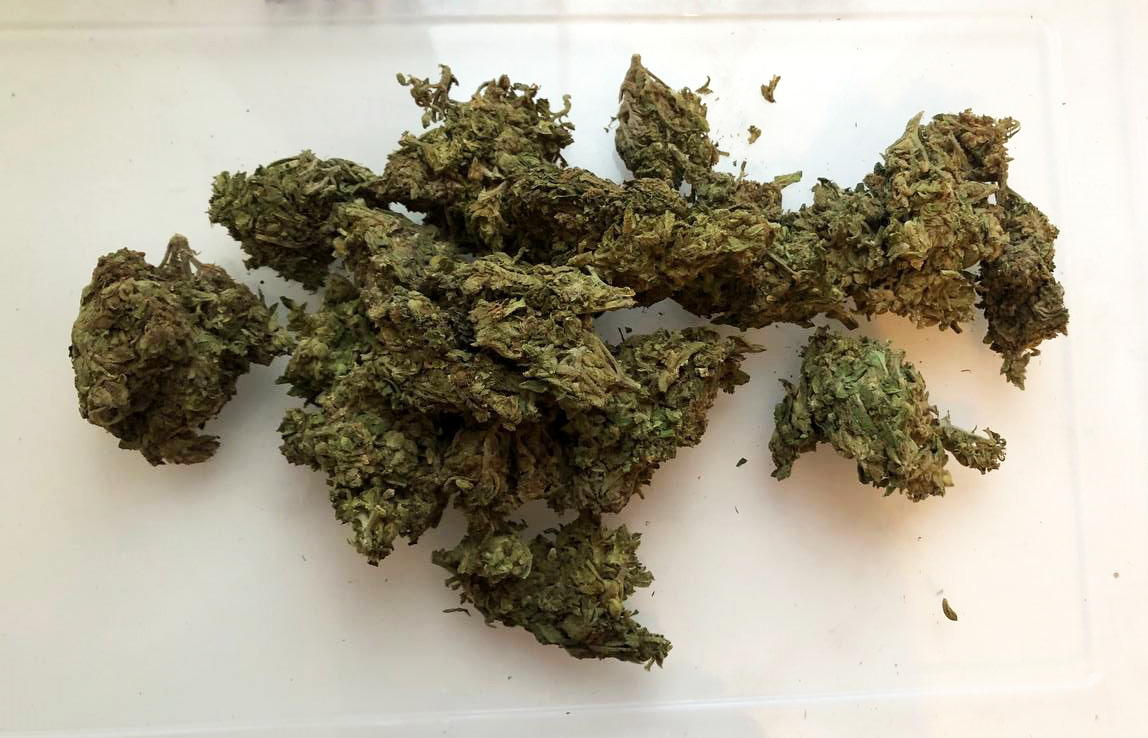
We were lucky over here Me and my crew enjoy our trip our deliveries was very safe. we ordered both Satis and Indis It was a great experience and great feeling as we mix them both and have a good time.
So i affirmed with others that josh is the best local plug over here you will be well pleased with his service and quality.
“I really appreciate how transparent and honest you are; I always know exactly what I’m getting and can trust that it will be top-quality every time.
He supply me with his good quality and everything was so good ..Thanks u guys and Thank u so much Josh.
“You’ve truly outdone yourself with this batch, the buds are beautifully trimmed, and the high is exactly what I needed after a long day at work, I’ll be coming back for more for sure.”
“Absolutely love how easy and seamless the process was! The delivery was quick, and the quality is always top-notch. You’ve earned a loyal customer!”
Really happy with the quality. Everything was smooth and exactly what I expected. The whole experience felt easy and reliable, which is something you don’t always find. Definitely appreciate the good service.