
Cannabis in Stuttgart: Laws, Culture, and What’s Changed ( Guide)
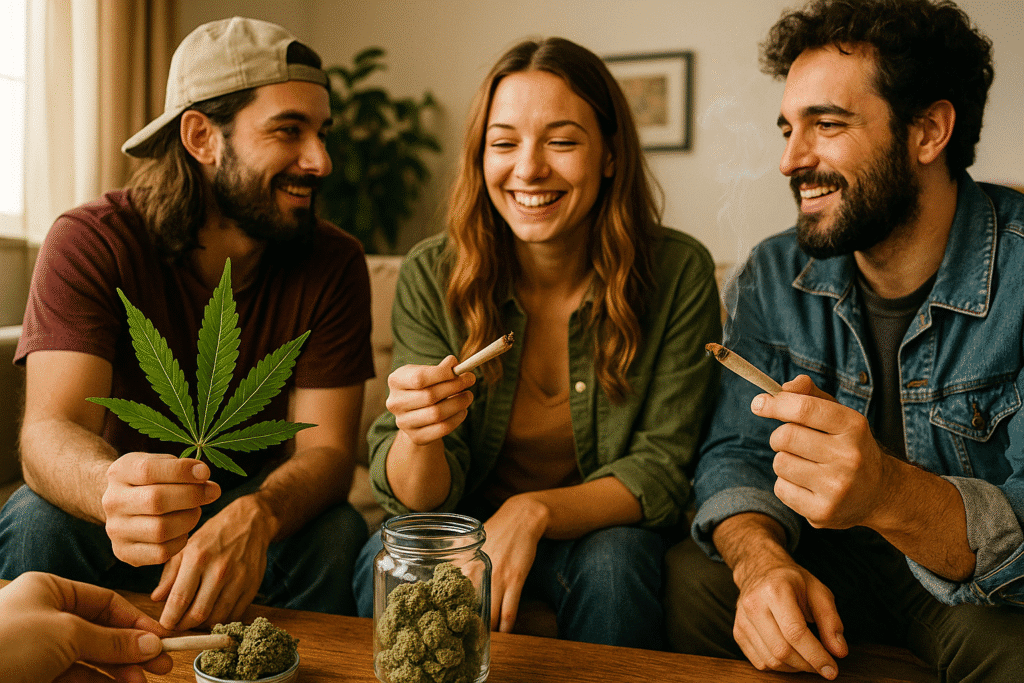
Stuttgart — the capital of Baden-Württemberg, home to car giants, universities, vibrant cultural life and a diverse population — has recently undergone a major shift in how it treats cannabis. What was once universally illegal is now partially legalized under regulated conditions, and this impacts everyday life in the city. This article explains what is legal, what remains restricted, what’s new, what to watch out for, and how Stuttgarters are adapting to the changes.
1. The New German Cannabis Law — What It Means in Stuttgart
1.1 The National Reform: Cannabis Act (CanG)
In early 2024, the German federal parliament passed the Cannabis Act (CanG), which significantly changed national cannabis policy. (Wikipedia)
As of 1 April 2024, for adults (18+):
- Possession of up to 25 grams of cannabis in public is allowed. (Wikipedia)
- At home, individuals may legally store up to 50 grams of dried cannabis. (Wikipedia)
- Private cultivation: up to three cannabis plants per adult household is permitted — provided the plants are secured and not accessible to minors or unauthorized persons. (Osborne Clarke)
Then, as of 1 July 2024, non-profit “cannabis social clubs” became legal. These clubs are allowed to collectively grow cannabis and distribute it to registered adult members for personal use. (Settle in Berlin)
However — commercial sale (dispensaries, profit-driven shops) remains prohibited under the current law. (Wikipedia)
This legalization is not absolute: there are rules, restrictions, and limitations — and enforcement remains active in many contexts.
1.2 What the Law Means Specifically for Stuttgart
Because Stuttgart is in Baden-Württemberg and under German federal jurisdiction, the changes above apply to the city. According to local reporting:
- Residents over 18 may now legally carry up to 25g in public, store 50g at home, or grow up to three plants. (weedtravelersguide.com)
- Cannabis “social clubs” are beginning to form in the state — though setting them up requires licensing and compliance. (Baden-Württemberg.de)
- Legal cannabis consumption/smoking remains restricted in many public spaces, especially near schools, playgrounds, youth facilities, and some pedestrian zones. (Osborne Clarke)
In short: yes — in 2025, Stuttgart residents are living under a post-legalization framework. But “legal” doesn’t mean “no rules.”
2. Early Local Effects: What’s Changing — and What’s Not
2.1 More Openness, More Discussion — But Also Monitoring
Since legalization, the city has conducted wastewater testing to monitor cannabis use trends. According to municipal data from April 2025, the measured indicators increased about 13% compared to prior to legalization. (Landeshauptstadt Stuttgart)
Despite this uptick, local authorities say they have not seen a dramatic surge in problematic use. Addiction-help organizations note that while inquiries have slightly increased, demand remains relatively stable. (Landeshauptstadt Stuttgart)
The city administration has said that legalization did not result in expected spikes in crime or public disorder — but they stress the need for expanded youth protection, prevention, education. (Landeshauptstadt Stuttgart)
2.2 Social Clubs: Legal, but Bureaucratically Challenging
While the law permits social clubs, setting them up involves significant requirements: license from authorities, adherence to non-profit rules, limited membership (max 500), suitable premises not near schools or youth facilities, secure cultivation sites, and no commercial sales. (stuttgarter-zeitung.de)
In Baden-Württemberg (the state including Stuttgart), clubs have begun getting permits. (Baden-Württemberg.de)
Because the system is new and still rolling out, many clubs are still organizing logistics — meaning availability remains limited and not all residents interested in cannabis will have easy access.
2.3 Culture & Use Patterns in Stuttgart
Stuttgart does not yet exhibit an “open cannabis culture” like some cities in other countries. According to local sources:
- Cannabis use remains more common in private settings: homes, among friends. (Global Gold Analysis)
- Public use exists — but many people remain cautious, especially around schools, busy streets, or in areas with children. (Osborne Clarke)
- Young adults and students appear more open, but there is ongoing concern over youth exposure, under-age use, and potential social harms. (Landeshauptstadt Stuttgart)
All in all, Stuttgart’s cannabis culture is growing — but slowly and cautiously.
3. What’s Still Illegal / What to Watch Out For
Even with legalization, many aspects remain prohibited or heavily regulated. In Stuttgart:
- Commercial sale remains banned. There are no legal “dispensaries” or “coffee-shop style shops.” All distribution must happen via licensed social clubs or private cultivation — for personal use only. (Settle in Berlin)
- Promotion, advertising, sponsorship is forbidden. The law prohibits ads, sponsoring, or public promotion of cannabis or cannabis clubs. (Händlerbund)
- Use near sensitive locations is restricted. There are bans on consumption near schools, playgrounds, youth centers, sports facilities, often within a 100-meter “exclusion zone.” Also, public “pedestrian zones” may have time-based restrictions. (Osborne Clarke)
- Clubs & cultivation must follow strict rules. Clubs must be non-profit; cultivation cannot be commercial; clubs must have government permission; members must meet residency and age requirements. (stuttgarter-zeitung.de)
- Foreigners / tourists generally excluded from legal purchase. According to guidance from consumer protection agencies, the new rules apply to residents: tourists or newcomers may not legally access cannabis through clubs or personal cultivation. (European Consumer Centre Germany)
So — while there is a “green light” for certain uses, there remain many “red lines” that could lead to legal consequences if ignored.
4. Practical Advice for Residents and Visitors in Stuttgart
If you live in Stuttgart or plan to visit, and are curious about how the new cannabis reality affects you — here are practical considerations:
✅ If You’re a Resident
- Check local announcements for active, licensed cannabis clubs.
- Keep possession under legal limits: 25 g in public, 50 g at home.
- If growing at home: ensure plants are secure and inaccessible to minors.
- Respect smoking/use restrictions — avoid schools, playgrounds, crowded pedestrian zones.
- Be aware that commercial sale is not allowed — buying from dealers remains illegal.
⚠ If You’re a Visitor / Tourist
- Because clubs typically require residency and proof of address, you likely can’t legally purchase cannabis. (European Consumer Centre Germany)
- Avoid relying on informal “street dealers” — this is risky due to illegality, black-market unpredictability, and possible legal trouble.
- If you have medical cannabis from abroad, know that recreational legalization does not equal medical acceptance — the regulations remain complex.
☝ Public-Health & Responsible Use
- Legalization does not mean harmless: remain aware of potential risks (impairment, health, reliance).
- Use responsibly — avoid driving under influence; follow local laws.
- Mental health and addiction support remain available; legalization may make it easier to seek help without stigma.
5. Social & Public Health Impacts in Stuttgart — Early Observations
Now that Stuttgart has passed about a year under the new regime, early data is emerging:
- The city regularly monitors cannabis metabolites in wastewater; compared to the period before legalization, the 2025 readings show about a 13% increase in use. (Landeshauptstadt Stuttgart)
- Local addiction-help organizations and public-health services report stable demand, not surging crisis levels — indicating that legalization hasn’t caused a major spike in dependency or problematic consumption (yet). (Landeshauptstadt Stuttgart)
- The city administration and health department emphasize the need to expand prevention and youth-protection programs, particularly as cannabis becomes more normalized. (Landeshauptstadt Stuttgart)
These early signals suggest that Stuttgart’s approach — combining partial legalization, regulation, and public-health oversight — may be working to balance individual freedom and societal well-being. But long-term effects remain to be seen.
6. Cannabis Culture in Stuttgart — What It Looks Like in 2025
Though legalization is recent, a local cannabis culture is slowly emerging:
- In neighborhoods like Stuttgart-West, Weilimdorf, or around university districts, some young adults and creative communities are more open to cannabis use — often privately, discreetly, or via home growing. (Global Gold Analysis)
- There is cautious optimism among many adults: legalization reduces legal risk, removes criminal stigma, and allows safer, regulated access (via social clubs or home cultivation).
- On the flip side, many remain wary: older generations, people with children, or those concerned about public health still view cannabis skeptically.
- The lack of legal commercial dispensaries and public marketing means the shift is gradual — less like a “culture boom,” more like “cautious adaptation.”
7. Why Stuttgart — and Baden-Württemberg — Accepted the New Framework
Several factors helped Stuttgart and its region adapt to the Cannabis Act:
- Germany’s (and EU’s) push towards regulated cannabis rather than prohibition due to black-market and public-health problems. (Forbes)
- Desire to cut down on unregulated street dealers, unchecked potency, and organized crime influence. Legal clubs and home-growth enable safer, traceable supply. (Goodwin Law)
- Focus on public health and harm reduction: regulation, quality control, prevented access for minors, and prevention/education accompanying legalization. (Händlerbund)
- Social realism: acknowledging existing cannabis use and offering a controlled, transparent alternative rather than continuing full prohibition.
8. What Could Still Change — and What to Watch For
While the Cannabis Act has set the framework, many details and future developments remain uncertain. In Stuttgart (and all of Germany), possible developments include:
- Implementation rollout: licensing of social clubs is gradual; not all clubs have permits yet, so access remains limited. (Tagesschau)
- Public-health monitoring: cities like Stuttgart continue wastewater and consumption tracking to assess impacts on youth, mental health, usage patterns. (Landeshauptstadt Stuttgart)
- Legislative & regulatory adjustments: local authorities and courts may revise regulations (for example, restrictions around public consumption zones, age limits, youth protection). (Merkur)
- Potential for commercial sale or pilot dispensaries (future phases): the current law does not allow commercial shops, but future legislative phases — dependent on public health data, EU law, political will — could explore regulated retail. Some debates and warnings about possible reversal are ongoing. (Merkur)
In short, we are in a transitional period: the law allows more freedom than before, but the system is still evolving.
9. Responsible Use, Public Health & Youth Protection in Stuttgart
Legalization does not mean “no risk.” For a healthy, respectful cannabis environment in Stuttgart:
- Emphasize education and harm reduction: know limits, understand potency, avoid mixing substances.
- Youth protection: ensure minors stay away, avoid consumption near schools, playgrounds, youth centers.
- Support mental-health resources and addiction prevention — legalization may reduce stigma and encourage more people to seek help.
- Encourage personal responsibility: don’t drive under influence, don’t mix alcohol and cannabis, avoid public use where prohibited.
- For social clubs: ensure transparent governance, membership verification, compliance with laws — helps prevent black-market infiltration.
10. FAQ — Cannabis in Stuttgart (2025)
Q: Is cannabis fully legal in Stuttgart now?
A: Not fully — but partially. Adults 18+ may legally possess up to 25 g in public, 50 g at home, grow up to 3 plants, and use cannabis under certain conditions. (Wikipedia)
Q: Are there dispensaries or coffee-shop style shops in Stuttgart?
A: No. Commercial sale remains illegal. The legal route is via non-profit “cannabis social clubs” or private home-cultivation. (Wikipedia)
Q: Can tourists buy or use cannabis legally in Stuttgart?
A: Generally no. The law applies to residents; tourists and newcomers without permanent residence are excluded from legal clubs and cultivation. (European Consumer Centre Germany)
Q: Are there restrictions on where you can smoke/use cannabis publicly?
A: Yes. Use near schools, playgrounds, youth centers, sports facilities, and certain pedestrian zones (depending on time of day) is prohibited. (Osborne Clarke)
Q: Can you legally grow cannabis at home in Stuttgart?
A: Yes — up to three plants per adult household, with rules: they must be secure, not accessible to minors or outsiders, and only for personal use. (Osborne Clarke)
Q: Do “cannabis clubs” exist now in Stuttgart?
A: They are being established. Some in Baden-Württemberg have received permits; however, availability remains limited and bureaucratic. (Baden-Württemberg.de)
Q: Has cannabis use increased since legalization?
A: Based on recent data — yes, measured consumption rose (wastewater analysis shows +13%). But major spikes in crime or addiction haven’t been reported; public health institutions emphasize prevention and education. (Landeshauptstadt Stuttgart)
Q: Could laws change again (become stricter or more liberal)?
A: Yes. The current system is just phase 1. Authorities continue to review health data, legal impacts, and social effects. Discussions exist about further regulation, possibly controlled retail or stricter youth protections. (Merkur)
11. Quality Outbound Links — For Further Reading
Below are authoritative, non-commercial, reliable resources on cannabis law in Germany, health data, and public policy:
- Cannabis Act (Germany) – Wikipedia (legal overview)
https://en.wikipedia.org/wiki/Cannabis_Act_(Germany) (Wikipedia) - Osborne Clarke – Legal summary of the Cannabisgesetz
https://www.osborneclarke.com/insights/will-cannabis-now-be-legal-germany (Osborne Clarke) - Deutsche Welle – Germany’s first year of legalized cannabis
https://www.dw.com/en/germany-cannabis-legalization-law-marijuana-cannabis-social-clubs/video-72138544 (Deutsche Welle) - SWR Wissen – Evaluation of the law in Stuttgart (wastewater and health data)
https://www.swr.de/wissen/ein-jahr-cannabis-gesetz-in-deutschland-bilanz-100.html (SWR) - Legal guide – HändlerBund “Cannabisgesetz – kurz & kompakt”
https://www.haendlerbund.de/de/ratgeber/recht/cannabisgesetz (Händlerbund)
These resources provide detailed legal texts, analyses, health data, and journalistic follow-ups — useful for citizens, researchers, or anyone wanting to understand the evolving situation.
12. Conclusion: Stuttgart in Transition — A Balanced Cannabis Reality
In 2025, Stuttgart reflects a middle ground: a city adapting to legal cannabis, but still balancing regulation, public health, social responsibility, and cultural norms. For the first time, many adults enjoy legal access (within limits) to cannabis for personal use or cultivation. Yet the system is far from “free-for-all”: no dispensaries, restricted public use, strict rules for clubs, and ongoing monitoring.
For residents: if you follow the rules — modest possession, secure cultivation, respect for public-use zones — the new law offers greater freedom than before. For visitors or newcomers: legalization doesn’t automatically extend to you, and the risks of illegal purchase remain high.
As Stuttgart navigates this transformation, public health, education, transparent regulation, and thoughtful personal choices will matter more than ever.
Message Josh on = joshchris385@gmail.com.
he sorted us in style during our little vacation .
Top quality 420bud of different strains you can find around.
You won’t regret getting in touch with him . Highly recommended local plug his telegram / joshlegitplug.
we did give it a try and the delivery guy delay like ten minutes but he finally arrived and woow the buds were so good and thank u so much josh.
His dealings are smooth and fast and his buds are so so good.
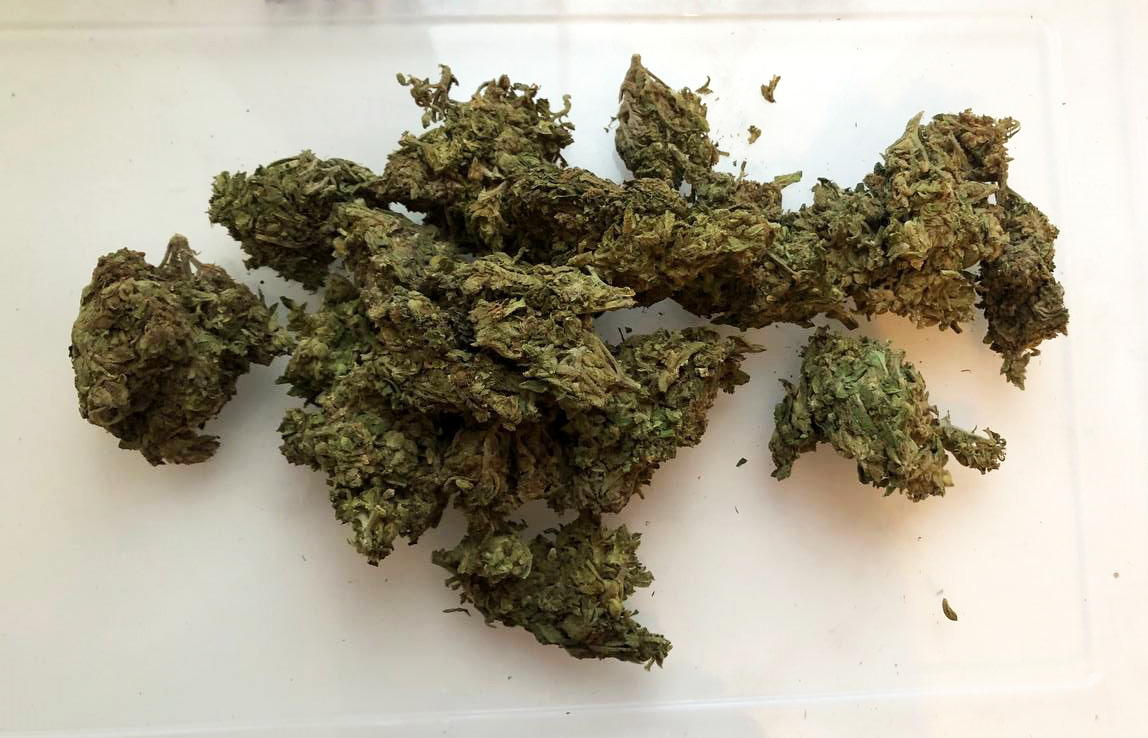
We were lucky over here Me and my crew enjoy our trip our deliveries was very safe. we ordered both Satis and Indis It was a great experience and great feeling as we mix them both and have a good time.
So i affirmed with others that josh is the best local plug over here you will be well pleased with his service and quality.
I contacted him on his telegram and due to security reasons he requested crypto payments which i did, about 30minutes later my dope was dropped at my requested location great guy!!!
i highly recommend.
He supply me with his good quality and everything was so good ..Thanks u guys and Thank u so much Josh.
“Absolutely love how easy and seamless the process was! The delivery was quick, and the quality is always top-notch. You’ve earned a loyal customer!”
Really happy with the quality. Everything was smooth and exactly what I expected. The whole experience felt easy and reliable, which is something you don’t always find. Definitely appreciate the good service.