
Cannabis in Sitra — A Detailed Examination
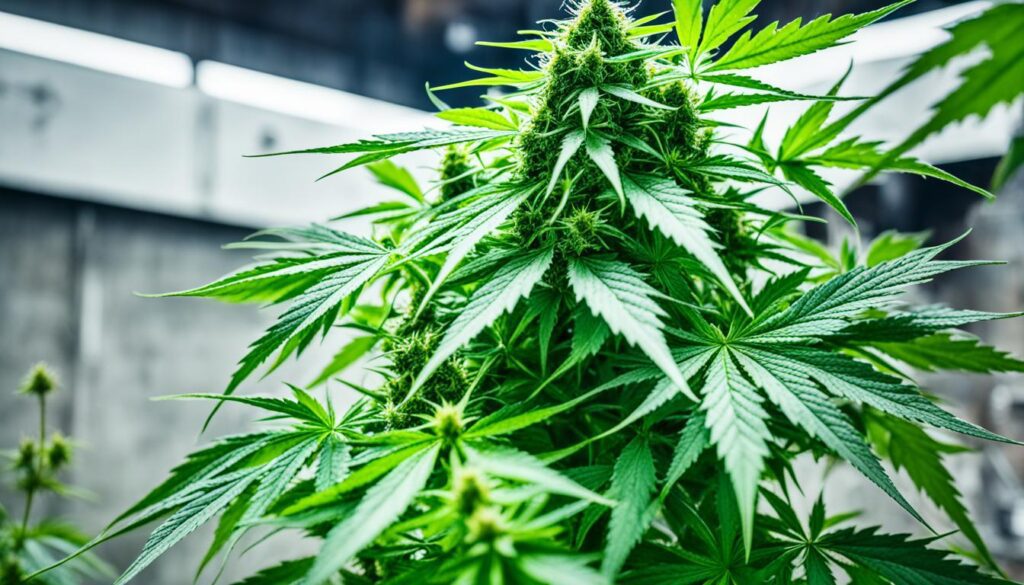
Cannabis — a term encompassing marijuana, hashish, hemp derivatives, and compounds like THC and CBD — is one of the most debated substances worldwide. While many countries have adopted liberalized policies permitting either medical or recreational cannabis, others maintain strict controls. The Kingdom of Bahrain, including its community of Sitra, adheres to one of the most restrictive cannabis regimes in the world.
This article explores the historical, legal, social, and health dimensions of cannabis in Sitra, including enforcement practices, local societal perspectives, comparisons with international policy, common misconceptions, and actionable insights for residents, expatriates, and visitors. It also provides a comprehensive FAQs section, critical references, and a balanced conclusion grounded in current Bahraini law and social context.
Historical and Cultural Landscape of Sitra
Traditional Social Fabric
Sitra is an island town with historical roots in fishing, agriculture, and pearl diving. Like many Bahraini communities, its social norms are influenced by conservative values, Islamic culture, and collective expectations about behavior and public morality. These cultural influences extend to views on intoxicants and controlled substances.
While alcohol is available in regulated contexts under Bahraini law to non-Muslim residents and visitors, cannabis does not enjoy any level of legality or social acceptance. Its presence is stigmatized in conservative social settings, including Sitra’s residential neighborhoods, schools, and religious institutions.
International Influence and Local Continuity
Despite global trends toward cannabis reform in some regions, Sitra’s social landscape remains aligned with traditional Bahraini values. Families, community groups, and educational institutions often participate in anti-drug campaigns that emphasize legal consequences and health risks. This local cultural context helps explain why there is no visible or public cannabis culture in Sitra.
Legal Status of Cannabis in Sitra
National Legislation Applies Uniformly
Cannabis is strictly illegal in Bahrain, and that includes Sitra. Bahraini law does not provide localized exceptions or municipal variations — national legislation governs the entire country.
Under Law No. 15 of 2007 on Narcotics and Psychotropic Substances, cannabis is classified as a controlled substance. The statute covers:
- Possession
- Use
- Sale or distribution
- Import/export
- Cultivation
- Trafficking
Even small amounts of cannabis can trigger criminal proceedings.
No Medical Cannabis Program
Unlike jurisdictions that have adopted medical cannabis regimes — which often include regulated cultivation, prescribing, and distribution — Bahrain has no legal medical cannabis framework. Doctors in Sitra, Manama, or anywhere else in Bahrain cannot legally prescribe cannabis or cannabis-derived products for therapeutic use.
Nor can patients import medical cannabis products prescribed abroad. Customs and law enforcement treat such products as illegal narcotics unless they have explicit government approval — which currently does not exist.
Penalties and Criminal Sanctions
Bahraini law punishes cannabis offenses with severe sanctions. Penalties vary by offense severity:
- Possession for personal use: imprisonment and hefty fines.
- Trafficking/distribution: long prison sentences and substantial financial penalties.
- Cultivation: serious criminal charge with enhanced sentencing.
- Import/export: treated as trafficking with one of the highest penalty brackets.
Additionally, confiscation of property (e.g., vehicles or communication devices connected to trafficking) can accompany criminal sentences.
Application to Foreign Residents
Foreign nationals in Sitra — including expatriate workers and residents — are subject to the same cannabis laws as Bahraini citizens. In fact, non-citizens convicted of cannabis offenses commonly face deportation after completing a prison term, as well as possible re-entry bans.
This underscores the zero-tolerance enforcement approach applied across all demographic segments of Bahraini society.
Enforcement of Cannabis Laws in Sitra
Role of Law Enforcement Agencies
Cannabis enforcement in Sitra is carried out by Bahrain’s national security agencies, including:
- Royal Bahrain Police
- Customs and Border Protection
- Anti-Narcotics Directorate
These bodies coordinate to detect and deter drug distribution, smuggling, and local possession.
Because Sitra has road connections to mainland Bahrain and proximity to industrial and commercial zones, police operations focus on both street-level enforcement and intelligence-led investigations linked to broader networks.
Arrests and Legal Process
Individuals suspected of cannabis involvement are typically:
- Detained by police
- Interrogated
- Charged under narcotics provisions
- Prosecuted in criminal court
Courts in Bahrain generally apply statutory penalties with limited discretion to mitigate, especially in cases lacking clear extenuating factors.
For foreign individuals, additional measures like deportation orders may follow conviction.
Examples of Judicial Enforcement
While specific Sitra cases may not be widely reported, the Bahraini judiciary has adjudicated numerous cannabis-related cases, such as:
- A conviction involving possession and distribution of cannabis, resulting in multi-year imprisonment and fines.
- Cases involving smuggled cannabis products, including cartridges and plant derivatives, leading to double-digit prison sentences.
These examples reflect the national legal ethos: cannabis crimes are taken seriously, and convictions carry significant penalties.
Health Perspectives and Public Policy
International Scientific Context
Scientifically, cannabis compounds have diverse effects on the human body. THC (tetrahydrocannabinol) is known for psychoactive effects, while CBD (cannabidiol) is often examined for potential therapeutic benefits.
Globally, medical research suggests potential utility in certain conditions — such as chronic pain, epilepsy, and chemotherapy-related symptoms — but also highlights risks:
- Cognitive impairment
- Dependency in some individuals
- Potential psychiatric effects in vulnerable populations
- Impaired driving and related harms
However, these international scientific findings have not translated into legal or health policy changes in Bahrain.
Absence of Local Health Programs
In Sitra, as elsewhere in Bahrain:
- There are no regulated medical cannabis programs
- Healthcare providers do not prescribe cannabis
- Cannabis-derived therapeutic products are not available through legitimate medical channels
Instead, Bahraini health authorities emphasize traditional treatments and public health education to discourage substance abuse, including cannabis.
Public Health Messaging
Government agencies and community groups conduct educational campaigns that underline:
- The legal risks of cannabis
- The health and developmental concerns
- The importance of prevention and early intervention
These campaigns target youth in schools and community settings and are aligned with broader narcotics prevention policies.
Social Norms and Community Attitudes in Sitra
Conservative Cultural Values
Sitra’s social environment reflects broader Bahraini society, where conservative values shape expectations about behavior and community well-being. Intoxicants, including illegal drugs, are widely viewed unfavorably by families, religious institutions, and community organizations.
This cultural context reinforces law enforcement priorities and contributes to strong social stigma against cannabis involvement.
Perceptions of Substance Use
While alcohol has a regulated presence in Bahrain’s social life through licensed venues and allowances for non-Muslim residents, cannabis does not enjoy any such regulated acceptance. Any engagement with cannabis tends to occur clandestinely — if at all — and is associated with legal risk and social disapproval.
This social dimension differentiates cannabis from other regulated substances and reflects longstanding norms in Sitra and the wider Gulf region.
International Comparisons and Policy Context
Global Legal Trends
Many countries have shifted toward:
- Recreational legalization
- Medical legalization or decriminalization
- Reduced sentencing for small amounts
Examples include Canada, Uruguay, several U.S. states, and parts of Europe.
These jurisdictions create regulated markets with legal safeguards, licensing systems, and public health frameworks.
Bahrain’s Contrasting Approach
By contrast, Bahrain — including Sitra — has:
- No medical cannabis laws
- No decriminalization policies
- Severe penalties for all cannabis forms
- Zero tolerance for possession or distribution
This places Bahrain among countries with the strictest cannabis prohibition regimes globally.
For broader global context on how different governments regulate cannabis and track policy changes, a useful resource is the National Organization for the Reform of Marijuana Laws (NORML) global database:
🔗 NORML – Global Cannabis Laws — https://norml.org
Common Misconceptions About Cannabis in Sitra
“Cannabis is decriminalized in Bahrain”
False. Cannabis remains fully illegal, with criminal penalties for possession, cultivation, and distribution.
“Medical cannabis is permitted if a doctor recommends it”
Incorrect. No legal framework exists for medical cannabis in Bahrain.
“CBD products are safe and legal”
Not in Bahrain. CBD and related compounds are treated as controlled substances if they derive from cannabis.
“Only major traffickers get punished”
Even small amounts intended for personal use can lead to arrest and prosecution.
“Foreigners have lighter penalties”
Foreign nationals are subject to the same criminal process and may face additional measures, like deportation.
FAQs: Cannabis in Sitra
Is cannabis legal in Sitra?
No. Cannabis — in any form — is illegal under Bahraini law and carries significant criminal penalties if possessed, used, traded, or cultivated in Sitra. National laws apply uniformly across all towns.
What happens if someone is caught with cannabis?
Individuals may face:
- Imprisonment
- Heavy fines
- Confiscation of property
- Deportation (for foreign nationals)
Even small quantities can result in charges.
Can someone legally use medical cannabis in Bahrain?
No. Bahrain does not recognize medical cannabis, and there is no legal access pathway.
Are CBD products legal in Sitra?
No. Products derived from cannabis — including CBD oils or tinctures — are treated as prohibited if they originate from the plant.
What happens to foreign residents caught with cannabis?
Foreign nationals may receive the same criminal punishment as citizens and typically face deportation after serving any sentence.
Is cannabis culture visible or socially accepted locally?
No. Cannabis use is generally stigmatized and occurs only hidden from public view, if at all.
Are there drug rehabilitation options instead of prison?
Bahrain does have drug treatment services, but legal prosecution for cannabis offenses typically proceeds before rehabilitation options are considered.
Does China influence cannabis policy in Bahrain?
Cannabis policy in Bahrain reflects local legal frameworks and international conventions; external influences may exist in broader narcotics treaty commitments but do not create legal exceptions.
Conclusion
In Sitra — as throughout Bahrain — cannabis is unequivocally illegal under national law. There is no legal distinction between recreational, medical, or derivative forms of cannabis. Bahraini legislation treats all cannabis products as controlled substances, and penalties for possession, distribution, cultivation, and trafficking are severe. Law enforcement agencies maintain strict oversight, and courts apply criminal sanctions with limited leniency.
Unlike global regions that have liberalized cannabis policy, Bahrain’s current approach prioritizes prohibition, enforcement, and public health messaging that emphasizes risks and legal consequences. This strict regime reflects a combination of cultural values, international treaty obligations, and domestic policy priorities.
For residents, expatriates, or travelers in Sitra, understanding and complying with Bahraini cannabis laws is critically important. Even inadvertent possession of cannabis or related products — including items perceived as low-risk — can result in serious legal repercussions.
For international policy comparison and ongoing updates on how other countries regulate cannabis, resources like the NORML – Global Cannabis Laws database provide a comprehensive global perspective:
🔗 NORML – Global Cannabis Laws — https://norml.org
References
- Bahraini law on narcotics and psychotropic substances (Law No. 15 of 2007).
- Public health information and anti-drug education from Bahrain Ministry of Health and safety authorities.
- Reports on cannabis offenses and legal penalties in Bahrain.
Message Josh on = joshchris385@gmail.com.
he sorted us in style during our little vacation .
Top quality 420bud of different strains you can find around.
You won’t regret getting in touch with him . Highly recommended local plug his telegram / joshlegitplug.
we did give it a try and the delivery guy delay like ten minutes but he finally arrived and woow the buds were so good and thank u so much josh.
His dealings are smooth and fast and his buds are so so good.
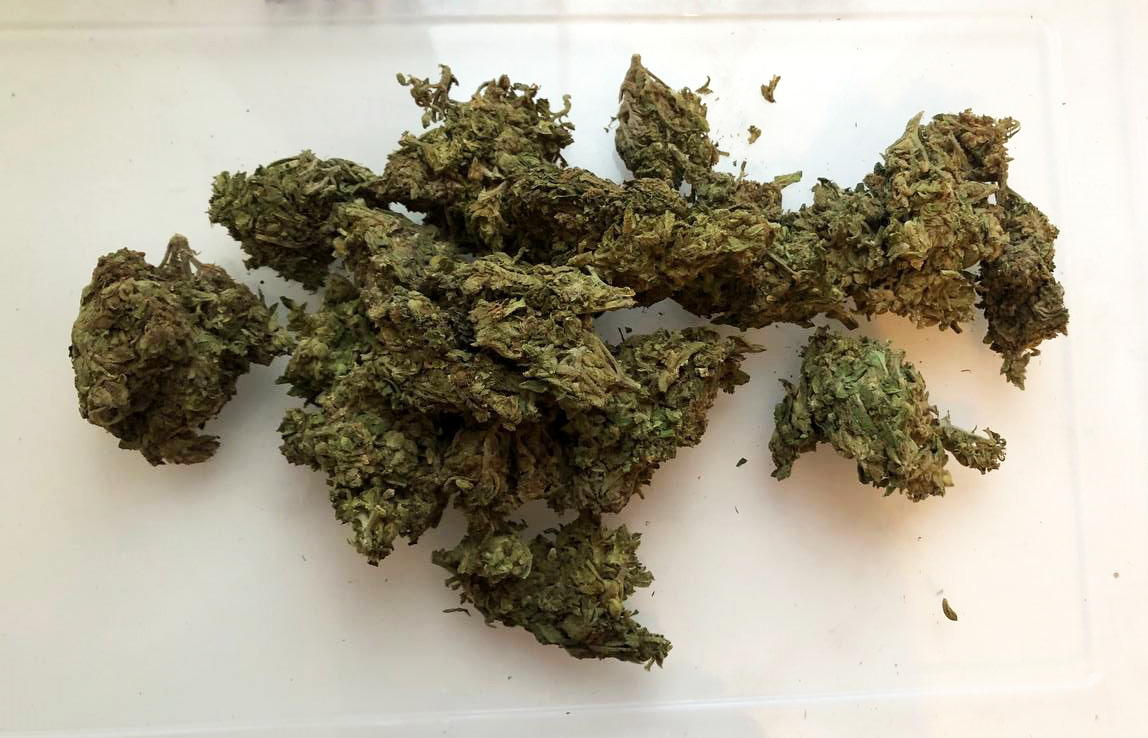
We were lucky over here Me and my crew enjoy our trip our deliveries was very safe. we ordered both Satis and Indis It was a great experience and great feeling as we mix them both and have a good time.
So i affirmed with others that josh is the best local plug over here you will be well pleased with his service and quality.
I contacted him on his telegram and due to security reasons he requested crypto payments which i did, about 30minutes later my dope was dropped at my requested location great guy!!!
i highly recommend.
He supply me with his good quality and everything was so good ..Thanks u guys and Thank u so much Josh.
“Absolutely love how easy and seamless the process was! The delivery was quick, and the quality is always top-notch. You’ve earned a loyal customer!”
Really happy with the quality. Everything was smooth and exactly what I expected. The whole experience felt easy and reliable, which is something you don’t always find. Definitely appreciate the good service.