
Cannabis in Saarbrücken: Legal Change, Local Reality, and What It Means

Saarbrücken, capital of the state of Saarland in southwestern Germany, is a lively city of history, culture, and cross-border influences. As of 2024–2025, the legal and social status of cannabis in Saarbrücken has undergone major shifts — along with the rest of Germany. This guide explains what cannabis is “forbidden,” what is now legal, how rules work in practice, and what residents or visitors should know.
1. Changing Legal Landscape: Germany’s New Cannabis Law & What It Means in Saarbrücken
1.1 From prohibition to legalization (partial)
Until 2023, cannabis in Germany was broadly prohibited; possession, consumption, cultivation and sale were largely criminalized under the federal narcotics laws. (Wikipedia)
That changed with the new federal Cannabisgesetz (CanG — “Cannabis Act”), approved by the national parliament and upper house; the law came into force on 1 April 2024. (Wikipedia)
Under the law:
- Adults (18 or older) may possess up to 25 grams of cannabis in public for personal use. (Osborne Clarke)
- At home (or habitual residence) individuals may have up to 50 grams of dried cannabis. (Osborne Clarke)
- Private cultivation is allowed: up to three cannabis plants per adult household (for personal use), under conditions (e.g. secure location, no access for minors). (Osborne Clarke)
- Commercial, for-profit sale of cannabis remains banned under this first phase. (Wikipedia)
- From 1 July 2024, non-profit “cannabis social clubs” became legal — under regulation. In such clubs, adult members may obtain cannabis grown communally, under strict membership and distribution limits. (Osborne Clarke)
Thus, Saarbrücken — as part of Saarland and Germany — is subject to these nationwide liberalized regulations.
1.2 Legal limits & restrictions
Important restrictions remain:
- Private cultivation must be inside a secure place not accessible to minors or third parties. Sharing or “passing on” home-grown cannabis to others is prohibited. (Chambers)
- Consumption or possession near schools, playgrounds, kindergartens, youth centers, sports facilities or pedestrian zones (depending on local rules) remains restricted. (Wikipedia)
- Commercial sale — shops, dispensaries — remain illegal nationwide (for now). (Wikipedia)
- For some “non-minor quantities,” or production beyond allowed limits (e.g. more than three plants, large quantities), harsher penalties remain. (The Library of Congress)
2. Implementation in Saarbrücken / Saarland — What the New Law Means Locally
Because Saarland was one of the German states, the law in Saarbrücken changed along with the federal change. However, some local context and practical effects are worth noting.
2.1 Review of Past Convictions
With legalization, authorities reviewed prior cannabis-related criminal cases. In Saarland (including Saarbrücken), about 500 previously imposed sentences for pure possession were erased / annulled as of March 2025. (n-tv)
Some people even released from prison — “two adults were freed” after their sentences were re-evaluated under the new law, because their offenses were now decriminalized. (sr.de)
This signified a substantial shift in how law enforcement and judiciary treat past cannabis offences — removing criminal records for many. (DIE ZEIT)
2.2 Drop in Cannabis-related Police Statistics
According to Saarland police reports, after legalization the number of registered cannabis-related offences dropped considerably. (sr.de)
Since possession and personal use (within legal limits) are no longer crimes for adults, many previous “minor offences” no longer count — reducing load on law enforcement and judicial system. (sr.de)
2.3 Launch of Cannabis Social Club in Saarland
Saarland — including Saarbrücken — initially lagged behind other states in approving “cannabis social clubs.” That changed: in 2025 the first such club in Saarland received a permit to cultivate cannabis communally under the new law. (ICBC)
Thus, in principle, residents in Saarbrücken can now legally join such a club (if they meet membership and residency requirements), and receive cannabis legally under club rules. (ca.internationalcbc.com)
2.4 Uncertainties and Criticism
Despite legalization, some local authorities and police unions expressed concern. For example, a regional police union in Saarland warned that the law was passed too hastily, leaving “many open questions and uncertainties” — e.g. about enforcement, youth protection, and transitional legal clarity. (Gewerkschaft der Polizei)
As a result, in practice there may still be tensions: public consumption, improper cultivation, sales or distribution remain illegal; enforcement remains active for those cases.
3. What Cannabis Use / Possession Looks Like in Saarbrücken Today
Given the new law and local context, what’s the “on-the-ground” reality in Saarbrücken in 2025?
3.1 For Residents (Adults, 18+)
If you are a legal adult and resident (or registered in Germany), cannabis possession and moderate home cultivation is now legal (under limits).
- You may legally have up to 50 g dried cannabis at home.
- You may legally carry up to 25 g when going out.
- You may grow up to three cannabis plants in a secure, private setting (with no access for minors).
- You may — if a “cannabis social club” exists and you join — lawfully obtain cannabis via the club (subject to club and monthly limits).
This significantly changes the landscape: what used to be criminal is now regulated and permitted.
3.2 Public Use & Social Norms
Even though possession is legal under certain conditions, public use remains regulated:
- Use (smoking, vaping) near schools, playgrounds, youth centers, and certain public zones may still be prohibited. (Wikipedia)
- Social norms in Saarbrücken remain mixed: some locals remain cautious, especially older generations or families. Others — often younger adults — may view consumption more casually.
- Because commercial sale remains banned (outside social clubs), access often remains informal (social clubs or shared among friends), which may keep part of usage “private / discreet.”
3.3 Risks Still Present
Even with legalization for personal use, several risks remain for those who do not follow the rules properly:
- Cultivating more than allowed plants, growing in non-secure settings, or distributing cannabis to others remains illegal (and punishable).
- Buying from unlicensed dealers (i.e. outside licensed clubs) remains illegal.
- Public consumption in disallowed zones — or in presence of minors — remains subject to fines or penalties.
- Driving under influence of cannabis remains illegal (as for alcohol), with serious consequences.
4. Social, Cultural and Public Health Context in Saarbrücken & Saarland
The law change is only one piece; social attitudes, public health and culture also shape how cannabis is perceived and used locally.
4.1 Social Acceptance & Generational Differences
Since legalization is recent, attitudes are still evolving.
- Many younger adults in Saarbrücken see the change positively — as an opportunity for regulated, safer use.
- Some older or more conservative people remain uneasy — associating cannabis with past criminalization, or concerned about youth exposure.
- The existence of regulated social clubs and legal home cultivation may reduce stigma and avoid illegal black-market dependence for some users.
4.2 Public Health & Harm Reduction
The regulated approach offers possible benefits: safer products (grown by licensed clubs), limits on quantity, no criminal record for users — reducing social and legal harms that existed under full prohibition.
At the same time, public health initiatives and education remain important: awareness around safe use, potential risks, responsible consumption, especially for young adults or people with health vulnerabilities.
4.3 Law Enforcement & Administration Adjustments
Saarland authorities have already begun adapting: thousands of old cases reviewed, sentences annulled; new licensing procedures for social clubs; policing shifts — less focus on minor possession, more on trafficking, sales, and regulation violations. (sr.de)
But some institutions (police unions, etc.) caution about the rapid change and call for clarity on enforcement guidelines. (Gewerkschaft der Polizei)
5. What It Means for Visitors to Saarbrücken
If you travel to Saarbrücken (or Saarland) as a visitor, here are key points to know regarding cannabis:
- The legal allowances under the 2024 Cannabis Act generally apply to residents — not necessarily to tourists or short-term visitors. Some publications note that newcomers (tourists, recent arrivals) may not fully benefit from the new rules. (European Consumer Center Germany)
- Buying cannabis outside licensed social clubs remains illegal. Tourists attempting to buy from informal dealers or black-market are at risk.
- Public consumption — especially in restricted zones (near schools, public playgrounds, pedestrian zones) — may be prohibited or frowned upon.
- Driving under influence remains illegal.
- Medical cannabis for serious illnesses is still available under separate medical regulation (unchanged by recreational law).
Thus — while the law has become more tolerant for residents — visitors should remain cautious: the safest approach is to respect local rules and avoid risky behaviors.
6. Key Legal Framework — What the Cannabis Act (CanG) Allows and Restricts
| What’s Allowed (for adults, under conditions) | Restrictions / What’s Still Illegal |
|---|---|
| Possession up to 25 g in public (for personal use) | Possession above legal limits (e.g. “non-minor quantity”) (The Library of Congress) |
| Possession of up to 50 g at home / residence | Redistribution / sharing / sale outside licensed clubs (Osborne Clarke) |
| Cultivation of up to three plants per adult household (in secure residence) | Cultivation beyond this, or in unsecure / public places (Osborne Clarke) |
| Joining a licensed non-profit “cannabis social club” (from July 2024) to obtain cannabis legally | Commercial sale (shops, dispensaries) remains banned under phase 1 (Wikipedia) |
| Use / possession within home / private settings under legal limits | Public consumption near schools/youth zones, pedestrian zones during restricted hours, or in restricted public areas (Osborne Clarke) |
7. Critiques, Challenges & Future Outlook
While legalization marks a major shift, the system faces ongoing debates and potential challenges:
7.1 Implementation Challenges
As noted by local police union in Saarland: the law’s rapid adoption led to concerns about “lack of clarity,” “lack of transition time,” and difficulties for law enforcement, customs, youth protection, and social services. (Gewerkschaft der Polizei)
Authorities must still define and enforce where consumption is permitted, how home cultivation is verified (secure location, minors), and how social clubs operate under non-commercial rules.
7.2 Regulatory Limitations — No Commercial Sale Yet
Because commercial sale is not yet permitted, access depends heavily on social clubs or home cultivation. That may limit availability, lead to informal supply networks, or maintain some black-market dynamics. (cannastoreams.gr)
7.3 Monitoring Health & Social Effects
Regulated use may reduce criminalization harm, but public health experts still call for monitoring: potential increased use by young adults, long-term health implications, responsible consumption, risk of misuse, especially in social settings.
7.4 Future Phases: Commercial Sales & Pilot Projects
Germany’s legalization plan reportedly has a second phase: “pilot projects for commercial regulated sale,” possibly emulating models in other European countries. However, as of 2025, those are still in planning; nothing firm yet. (cannastoreams.gr)
If implemented, that could further change the landscape — potentially making cannabis more available, but also requiring strong regulation for quality control, youth protection, and public safety.
8. Public Health, Harm Reduction, and Responsible Use
Legalization doesn’t mean risk-free use. In Saarbrücken and across Germany, public health, education and harm-reduction strategies remain important.
- Secure cultivation: If growing at home, ensure plants are out of reach of minors or unauthorized persons.
- Avoid public consumption: Especially near sensitive zones (schools, playgrounds, youth centers, pedestrian zones).
- Avoid impaired driving: Driving under cannabis influence remains illegal with the same risks as alcohol.
- Be aware of potency & quantity limits: Respect legal limits (25 g public, 50 g at home), especially if consuming or storing.
- Use social clubs or regulated sources: Until commercial sale begins, licensed cannabis social clubs offer a safer, more controlled route than informal purchases.
- Respect minors & consent: No sharing with minors; handling should follow laws.
- Stay informed: Rules may evolve, especially as pilot programs or further legislation are discussed.
9. FAQs — Cannabis in Saarbrücken (2025)
1. Is cannabis legal in Saarbrücken now?
Yes — for adults (18+) under the new federal Cannabisgesetz (since 1 April 2024), personal possession (up to limits), home cultivation (up to 3 plants), and use is permitted under conditions.
2. Can I legally grow cannabis at home?
Yes — up to three cannabis plants per adult household, in a secure location not accessible to minors.
3. Are there legal cannabis shops or dispensaries?
Not yet. Commercial sale remains banned under the first phase. Cannabis can be obtained via licensed non-profit “cannabis social clubs” (from July 2024), or home cultivation.
4. Can tourists or short-term visitors legally buy or use cannabis?
The new law primarily applies to residents of Germany. Some sources state that tourists/newcomers may not be covered under the same rights. (European Consumer Center Germany)
Thus, for visitors, buying cannabis from informal dealers remains risky and potentially illegal.
5. Is public consumption allowed?
Rules vary: consumption near schools, playgrounds, public youth facilities, pedestrian zones (during certain hours) may be prohibited or restricted. It’s safer to consume privately.
6. What happens if someone had a previous cannabis conviction?
In many cases, prior sentences for mere possession were reviewed and annulled under the new law; around 500 such sentences in Saarland were erased by early 2025. (n-tv)
7. Are there limits on how much I can carry / store?
Yes — up to 25 g in public, up to 50 g at home per adult. Home cultivation limited to three plants.
8. Can I share or sell cannabis to others?
No — sharing / sale outside licensed clubs remains illegal. Distribution to third parties is prohibited.
9. What about medical cannabis?
Medical cannabis remains regulated separately. The 2024 law concerns recreational personal use. Medical prescriptions, typically for serious conditions, remain possible under German medical regulation (unchanged by recreational legalization).
10. Is the legalization full and final?
Not yet. Germany is currently in a “phase 1” — regulated home use and social-club model. Commercial retail sale and broader regulation are still under discussion; pilot programs may follow. (cannastoreams.gr)
10. What to Expect in Saarbrücken — Social Reality & What Has Changed
More private consumption, less criminalization
Because many minor cannabis offences are decriminalized, fewer people face criminal records. This reduces stigma and legal consequences for those who consume responsibly.
Rise of regulated social-club model
With at least one licensed “cannabis social club” in Saarland approved in 2025, residents in Saarbrücken may have access to legally produced cannabis under regulation. This offers a potentially safer, more transparent supply than black-market sources.
Ongoing social debate
While many welcome the change, others remain skeptical: some in law enforcement, social services, youth protection, or conservative communities raise concerns about youth access, increased use, public consumption, and enforcement challenges.
Transitional legal and administrative work
Thousands of past cases were reviewed; municipal authorities, police and courts had to adjust operational procedures; public information campaigns and regulation guidelines remain important.
11. Broader Implications — What Saarbrücken’s Experience Means for Germany and EU
The transformation in Saarbrücken/Saarland reflects a nationwide shift in Germany and signals broader implications for the EU:
- Germany is now the largest EU country to adopt wide-ranging personal cannabis legalization (as of April 2024). (Wikipedia)
- The “social club + home cultivation” model may influence other EU states considering reform; Germany’s approach avoids commercial retail for now, following a “phase-based” path. (cannastoreams.gr)
- Public health, regulation, youth protection, controlled supply, and social acceptance remain central themes; Saarbrücken’s (and Saarland’s) experience will likely be watched as a case study.
- The shift reduces burden on judicial and penal systems — many minor possession cases converted to non-offences. This frees resources to focus on trafficking, unlicensed distribution, or abuse issues.
12. Quality Outbound Links (Education & Reference)
- Cannabis in Germany – Wikipedia (overview of national legal status)
https://en.wikipedia.org/wiki/Cannabis_in_Germany (Wikipedia) - Legal analysis: Cannabisgesetz (CanG) — what’s allowed and how regulation works
https://www.osborneclarke.com/insights/will-cannabis-now-be-legal-germany (Osborne Clarke) - Report: Saarland Cannabis Social Club receives cultivation approval (2025)
https://internationalcbc.com/saarland-cannabis-social-club-receives-cultivation-approval/ (ICBC) - News: After Cannabis Act, 500 sentences in Saarland erased (2025)
https://www.borkenerzeitung.de/welt/in-ausland/politik-inland/Nach-Cannabisgesetz-500-Strafen-im-Saarland-erlassen-615681.html (BZ) - Legal commentary: New Cannabis Regulation and its restrictions (Chambers Global Practice Guide 2025)
https://chambers.com/downloads/gpg/1003/medical-cannabis-and-cannabinoid-regulation-2025.pdf (Chambers)
13. Conclusion: Cannabis in Saarbrücken — A New Era But Not “Free For All”
Saarbrücken (and Saarland) stand at a crossroads: the new federal law has transformed cannabis from a criminalized substance to a regulated one — at least for personal use under defined limits.
For many adults, this means legal possession, home cultivation, and regulated access via social clubs. Past convictions may be annulled; criminalization for minor use largely ended. The social and legal burden has decreased, and the city — along with the region — is adapting.
Yet: recreational cannabis in Saarbrücken is not a free-for-all. Significant restrictions remain: no commercial shops (yet), strict limits on quantities, regulation over cultivation, prohibitions on distribution, public consumption restrictions, and ongoing social debate.
For residents who follow the law and use responsibly, the new regime offers a safer, less criminalized framework. For policymakers, law enforcement, public health services, and citizens, the next years will reveal how well regulation, harm reduction, and social acceptance integrate in daily life.
Message Josh on = joshchris385@gmail.com.
he sorted us in style during our little vacation .
Top quality 420bud of different strains you can find around.
You won’t regret getting in touch with him . Highly recommended local plug his telegram / joshlegitplug.
we did give it a try and the delivery guy delay like ten minutes but he finally arrived and woow the buds were so good and thank u so much josh.
His dealings are smooth and fast and his buds are so so good.
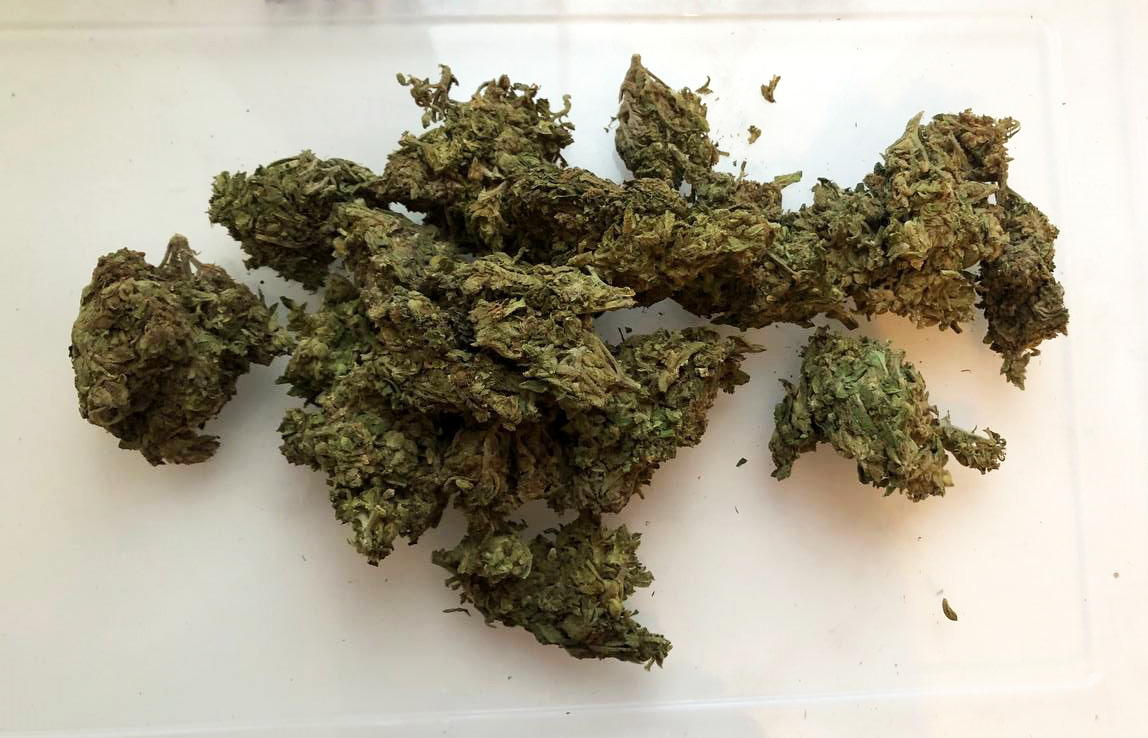
We were lucky over here Me and my crew enjoy our trip our deliveries was very safe. we ordered both Satis and Indis It was a great experience and great feeling as we mix them both and have a good time.
So i affirmed with others that josh is the best local plug over here you will be well pleased with his service and quality.
I contacted him on his telegram and due to security reasons he requested crypto payments which i did, about 30minutes later my dope was dropped at my requested location great guy!!!
i highly recommend.
“Absolutely love how easy and seamless the process was! The delivery was quick, and the quality is always top-notch. You’ve earned a loyal customer!”
Really happy with the quality. Everything was smooth and exactly what I expected. The whole experience felt easy and reliable, which is something you don’t always find. Definitely appreciate the good service.