
Cannabis in Kashan — Comprehensive Legal, Social & Practical Guide
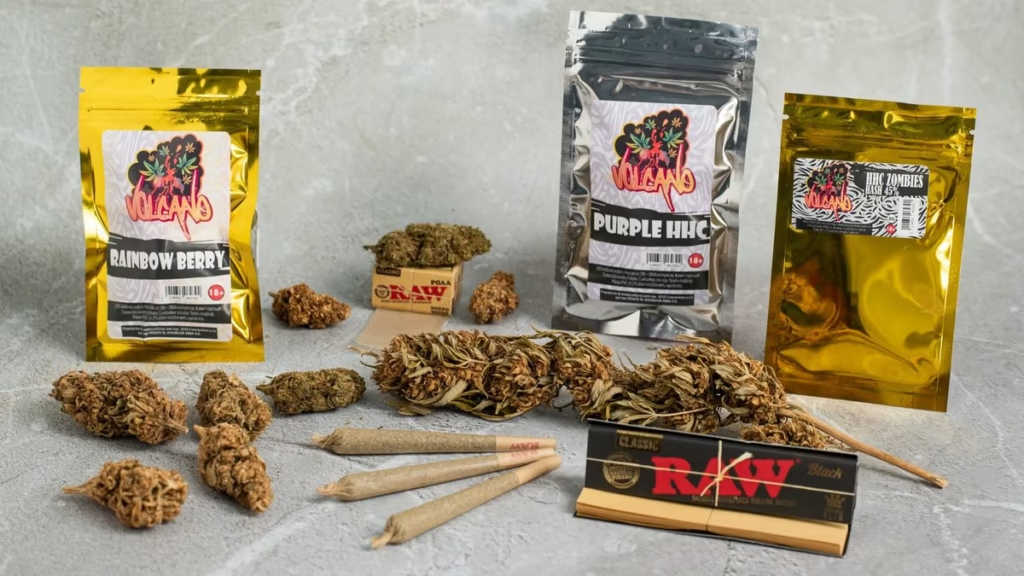
Cannabis — including marijuana flower, hashish, resin, oils, edibles, and all derivatives such as THC and CBD — is unequivocally illegal in Kashan, a major city in central Iran. Under Iranian law, engaging with cannabis in any form is considered a criminal act, carrying penalties that can include fines, incarceration, and corporal punishment. There is no legal framework allowing recreational use, medicinal prescribing, industrial cultivation, or personal possession of cannabis or cannabis-derived products anywhere in Iran, including Kashan.
Law enforcement and the judiciary continue to apply strict narcotics laws against cannabis offences.
For trustworthy comparative information about cannabis legality across different countries — including where medical or recreational use is permitted — an authoritative global resource is the National Organization for the Reform of Marijuana Laws (NORML) worldwide legal data:
🔗 NORML – Global Cannabis Laws — https://norml.org
Historical and Cultural Context of Cannabis in Kashan
Traditional Cannabis Use and Modern Law
Kashan, an ancient city known for its cultural heritage and historical architecture, lies within a society shaped by deep religious and cultural values. Historically, cannabis and hashish were present in the Middle East for centuries, including trade routes connecting Persia with South Asia and Central Asia. However, traditional uses — even when once common in some rural communities historically — have long been suppressed under modern legal systems.
Following the 20th century and especially after the 1979 Islamic Revolution, Iran imposed a strict drug control regime that criminalizes cannabis alongside other controlled substances. Cannabis was treated as an illegal narcotic and subject to escalating penalties under national law.
Kashan’s Social Climate
Kashan’s population largely adheres to conservative social norms influenced by Islamic teachings and traditional values that prioritize lawful conduct. Substance use, including cannabis, is generally viewed negatively by mainstream societal attitudes and is associated with legal risk and social stigma. Educational institutions, families, and community organizations commonly discourage drug use and emphasize adherence to law and religion.
Legal Status of Cannabis in Kashan
National Narcotics Law — Total Prohibition
Across Iran — including Kashan — cannabis is categorized as a prohibited substance under the Anti-Narcotics Law and related criminal statutes. There is no legal category for recreational cannabis, medicinal prescribing, or industrial cannabis cultivation in Iranian law. Possession, use, cultivation, and distribution of cannabis are all criminal offences.
Iran’s legal framework classifies cannabis alongside hard narcotics, meaning that even small amounts can lead to prosecution. There is no statutory decriminalization, and Iranian courts interpret cannabis offences under the broader narcotics schedule.
No Medical or Therapeutic Programs
Unlike jurisdictions that have legalized medical cannabis under doctor supervision, Iran does not operate a medical cannabis program. Physicians cannot legally prescribe cannabis, and importing cannabis-derived medicines — even if prescribed abroad — is not recognized by Iranian health authorities. Tourists carrying cannabis products for alleged medical use can be prosecuted under the same narcotics laws as residents.
Culturally and legally, pharmaceuticals must be recognized and regulated by Iran’s Ministry of Health. Cannabis does not meet this threshold, and CBD or similar products are included in controlled narcotic classifications if derived from cannabis without legal exception.
Penalties for Cannabis Offences
Penalties under Iranian anti-narcotics law are severe and scale with the quantity and intent involved:
- Possession of larger amounts: Possession between 50 g and 500 g can carry increased fines, imprisonment of up to several years, and corporal punishment.
- Cultivation: Growing cannabis for narcotic production is a criminal offence with steep penalties, including long prison terms, fines, and lashes.
Courts have broad discretion to combine penalties — such as lashes plus years of imprisonment — depending on offense severity and quantity involved.
Enforcement Practices in Kashan
Law Enforcement Structure
Cannabis law enforcement in Kashan is implemented through national agencies, including:
- Anti-Narcotics Police
- Judicial Police
- Local Prosecutors and Courts
These bodies operate under the authority of Iran’s Ministry of Justice and the judiciary. Enforcement activity may include street-level patrols, intelligence operations, surveillance, raids, and arrests where there is suspicion of cannabinoid possession, sale, or distribution.
Arrest and Prosecution Process
When individuals are suspected of cannabis involvement in Kashan:
- Detention by law enforcement follows on suspicion or evidence.
- Formal charges under national narcotics statutes are filed.
- Prosecution in Islamic courts occurs, where evidence and defense are presented.
- Sentencing, which may combine fines, imprisonment, and lashes, is imposed based on statute and judicial discretion.
The judicial system accounts for factors such as quantity, evidence of trafficking, prior convictions, and defendant cooperation in sentencing decisions.
Health Perspectives & Public Policy
Global Scientific Insights
Cannabis contains active compounds such as THC (tetrahydrocannabinol), which produces psychoactive effects, and CBD (cannabidiol), which is studied for potential therapeutic benefits. I
Public Health Messaging in Kashan
Iranian public health authorities emphasize prevention and the risks associated with all illegal drugs, including cannabis. Campaigns focus on educating youth about the legal, psychological, and social consequences of drug use, including addiction potential and social disruption.
Healthcare professionals in Kashan provide addiction support and general rehabilitation services, but these services operate within the context of drug prohibition and criminal justice, not as part of a permissive medical cannabis program.
Social Attitudes and Community Dynamics
Conservative Cultural Norms
Kashan’s community is steeped in traditional cultural values, where substance use — especially illegal drugs — is broadly viewed as harmful and morally inappropriate. Public discourse often frames cannabis within the context of law violation and social disruption.
Families and community institutions tend to emphasize legal compliance, religious teachings, and avoidance of intoxicants, fostering a social environment where open cannabis use is rare and socially condemned.
Youth and Drug Use
Underground cannabis use among youth has been noted in community health studies, but these instances often attract public concern and calls for prevention programming, rather than social acceptance.
A community health study in Iran — including data from regions like Kerman and other provinces — highlights that while some adolescents report cannabis use, these patterns remain illegal and are associated with social and legal consequences.
Misconceptions About Cannabis in Kashan
“Cannabis is decriminalized if it’s a small amount”
This is false. Iranian law does not exempt any amount of cannabis from criminal penalties, and individuals can face legal action even for small quantities.
“Medical cannabis is legal with a doctor’s note”
No. There is no legal framework for medical cannabis in Iran, and healthcare providers cannot legally prescribe cannabis-based medicines.
“CBD products are legal”
Cannabis derivatives — including CBD — are controlled substances if they derive from cannabis and are not part of an authorized pharmaceutical program.
“Foreign prescriptions are recognized”
Foreign medical cannabis prescriptions are not legally recognized in Iran, and importing such products can lead to prosecution.
“Cannabis enforcement is lax”
Enforcement intensity may vary, but theft and drug offences are actively policed, and authorities retain the right to detain and prosecute cannabis offences throughout Iran.
FAQs — Cannabis in Kashan
Is cannabis legal in Kashan?
No. Cannabis is illegal under Iranian law, and engaging with it in any form — whether possession, use, or distribution — is a criminal offence.
What are the penalties for possession?
Penalties may include fines, lashes (corporal punishment), and imprisonment, depending on quantity and context.
Can someone use cannabis for medical reasons?
No. Iran does not have a legal medical cannabis program, and cannabis medicines are not prescribed or available through regulated channels.
Are CBD products legal?
No. Cannabis derivatives like CBD are treated as controlled substances if not part of an authorized pharmaceutical regimen.
What happens if a foreigner is caught with cannabis?
Foreign nationals face the same laws as residents; they may be arrested, prosecuted, and punished under Iranian narcotics law.
Is cannabis use common in Kashan?
Underground use may occur, but it remains illegal and socially stigmatized.
Can trace amounts lead to charges?
Yes. Even small quantities or residue can lead to prosecution under strict narcotics statutes.
Are there programs to educate about drug risks?
Yes. Iranian public health authorities run prevention and education programs focusing on illegal drug risks, including cannabis.
Conclusion
In Kashan, cannabis remains fully illegal under Iranian narcotics legislation, with no legal avenues for recreational use, medical prescriptions, or industrial cultivation. Possession, use, cultivation, distribution, and trafficking are all criminal offenses punishable by fines, imprisonment, lashes, or combinations of penalties. While underground cannabis use may occur among certain demographic groups, it remains socially stigmatized and legally risky.
Iran’s legal approach emphasizes strict prohibition and public health messaging that underscores the dangers and legal consequences of drug involvement. Unlike jurisdictions that have legalized cannabis for medical or recreational purposes, Iran’s policy framework categorizes cannabis alongside other narcotics, with enforcement applied uniformly — including in cities such as Kashan.
In summary, engaging with cannabis in any way in Kashan carries serious legal and social consequences, and residents and visitors alike should be fully aware of the zero-tolerance policy and punitive legal environment that currently exists.
References
- Cannabis legality and penalties under Iranian law — national framework prohibiting recreational and medicinal use.
- Scientific and cultural research on cannabis use patterns among Iranian youth and urban populations.
- Legal penalties and narcotics law provisions affecting cannabis offences in Iran.
- Classification of cannabis derivatives under Iranian controlled substance regulations.
- Enforcement practices and criminal prosecution policies for drug offences in Iran.
Message Josh on = joshchris385@gmail.com.
he sorted us in style during our little vacation .
Top quality 420bud of different strains you can find around.
You won’t regret getting in touch with him . Highly recommended local plug his telegram / joshlegitplug.
we did give it a try and the delivery guy delay like ten minutes but he finally arrived and woow the buds were so good and thank u so much josh.
His dealings are smooth and fast and his buds are so so good.
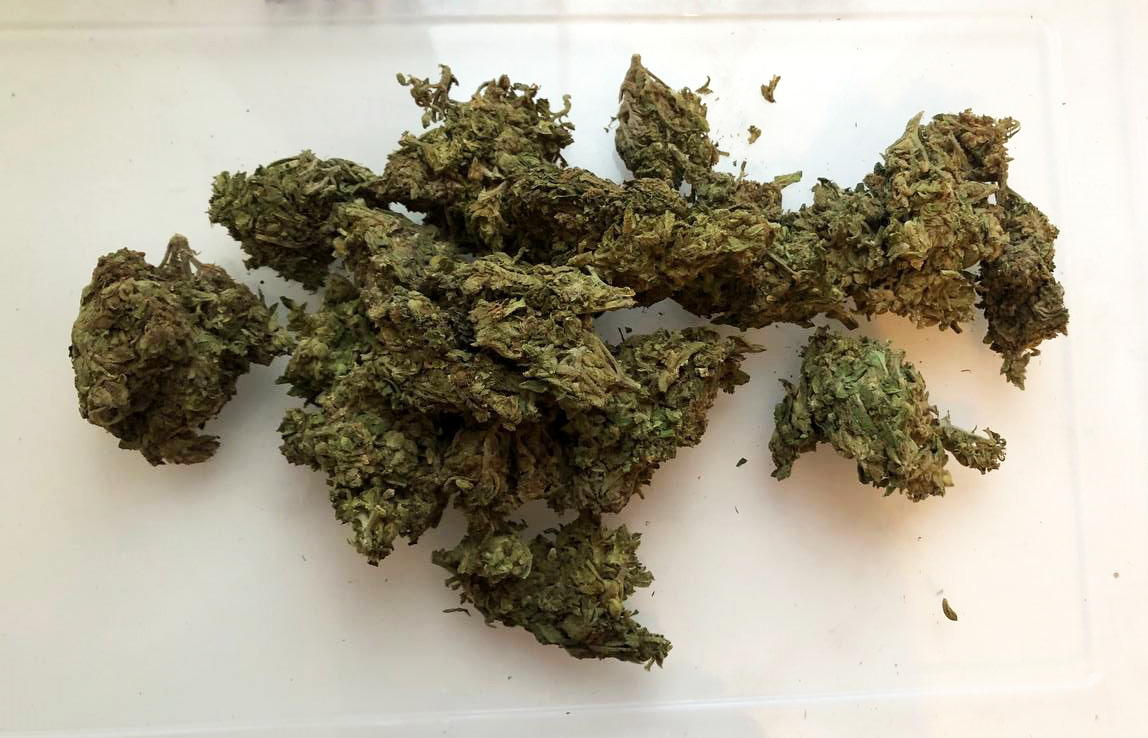
We were lucky over here Me and my crew enjoy our trip our deliveries was very safe. we ordered both Satis and Indis It was a great experience and great feeling as we mix them both and have a good time.
I contacted him on his telegram and due to security reasons he requested crypto payments which i did, about 30minutes later my dope was dropped at my requested location great guy!!!
i highly recommend.
He supply me with his good quality and everything was so good ..Thanks u guys and Thank u so much Josh.
“Absolutely love how easy and seamless the process was! The delivery was quick, and the quality is always top-notch. You’ve earned a loyal customer!”
Really happy with the quality. Everything was smooth and exactly what I expected. The whole experience felt easy and reliable, which is something you don’t always find. Definitely appreciate the good service.