
Cannabis in Dresden: Laws, Culture, Safety & Guide
1. Introduction
Dresden, the beautiful capital of Saxony (Sachsen), is known for its baroque architecture, the Frauenkirche, the Elbe river, and a rich cultural heritage. In recent years, cannabis has become a hot topic in Dresden too — not just in national debates, but locally, among residents, students, and activists.
Since Germany passed its Cannabis Act (Cannabisgesetz) in 2024, the landscape for how people in Dresden can legally interact with cannabis has shifted. But while some things are now more permissive, there remain strict rules and real limitations.
2. Legal Status of Cannabis in Dresden (and Germany)
Because Dresden is part of Germany, its cannabis laws are governed by federal legislation, especially the Cannabisgesetz (CanG) that went into effect on April 1, 2024. (Wikipedia)
Here’s a breakdown of the key legal rules under the new regime:
2.1 Possession of Cannabis in Dresden
- Adults 18 and older can legally possess up to 25 grams of cannabis in public. (Wikipedia)
- At home, the limit is 50 grams of dried cannabis. (Wikipedia)
- Exceeding these amounts can trigger administrative or criminal consequences, depending on the case. (Schlun & Elseven)
2.2 Cultivation of Cannabis in Dresden
- Adults may grow up to 3 cannabis plants per person at home for personal use. (Wikipedia)
- Plants must be kept in a secure place, not accessible to minors. (This is part of the legal cultivation safeguards.)
2.3 Cannabis Social Clubs (Vereine)
- From July 1, 2024, non-profit “cannabis social clubs” (CSC) became legal. (Wikipedia)
- These clubs can have up to 500 members. (IamExpat in Germany)
- They may distribute cannabis flowers, but not more processed cannabis products (like edibles). (IamExpat in Germany)
- These clubs are heavily regulated: no advertising, strict membership, and age and resident status requirements. (IamExpat in Germany)
2.4 Public Consumption Restrictions
- Consumption is prohibited in certain public zones: within 100 meters of schools, kindergartens, playgrounds, sports facilities, or in pedestrian zones in city centers between 07:00 and 20:00. (Wikipedia)
- Violation of these rules may lead to fines (administrative offences). (Schlun & Elseven)
2.5 Medical Cannabis
- The Medical Cannabis Act (MedCanG), part of the same 2024 reform, regulates medical cannabis. (BfArM)
- Under the new law, medical cannabis is no longer treated strictly as a narcotic in the same way — this simplifies some prescription procedures. (BfArM)
- The Federal Institute for Drugs and Medical Devices (BfArM) oversees the medical cannabis supply. (BfArM)
- Doctors can prescribe cannabis under broader conditions; some specialist restrictions have been relaxed. (Branchenverband Cannabiswirtschaft e.V.)
- To trade cannabis medically (in pharmacies), enterprises need specific licensing. (DIEKMANN Rechtsanwälte)
2.6 Legal Risk & Remaining Offenses
- While possession and cultivation under the limits are legal, commercial sale outside the social clubs is still prohibited: selling cannabis remains a criminal offense. (Schlun & Elseven)
- Extraction of cannabinoids for unauthorized purposes is also prohibited. (Schlun & Elseven)
- Administrative fines for cannabis-related rule violations can go up to €30,000 under certain conditions. (Schlun & Elseven)
3. Cannabis Culture in Dresden
Dresden’s cannabis culture is a blend of traditional Saxon sobriety and a growing, youthful openness — especially among students, creatives, and progressive circles. But the transition to a partially decriminalized regime means that local attitudes are still in flux.
3.1 Historical & Local Context
- Historically, Dresden has not been known as a “drug city” in the way some big European metropolises are. Its cultural identity leans toward historical architecture, the arts, and a proud local heritage.
- With the 2024 reform, cannabis has gained more legitimate visibility. Conversations in Dresden have shifted from underground to more public, policy-driven dialogues.
3.2 Student & Youth Scene
- Dresden is home to the Technische Universität Dresden (TU Dresden), a major university with a large student population. Many young people are aware of the new cannabis laws, and some are interested in social clubs or responsible use.
- Among student groups and youth organizations, there is discussion about harm reduction, legal reform, and the social role of cannabis.
3.3 Social Clubs and Associations
- Already, though, activist circles and local advocates are exploring how to set up non-profit clubs.
- These clubs often serve as safe and community-based spaces for people who want to use cannabis legally, grow it collectively, and share knowledge. They also provide an alternative to underground markets.
3.4 Public Consumption & Social Norms
- Even though some consumption is technically permitted, many people are cautious: public smoking can attract negative attention, especially in more conservative neighborhoods.
- In social settings, cannabis use is more likely to happen in private homes or at private events rather than large public gatherings — partly due to the location restrictions (schools, playgrounds, etc.).
4. Medical Cannabis in Dresden
Medical cannabis has been available in Germany for several years, but the 2024 reforms made significant changes. For Dresden residents, this means:
4.1 Access & Prescription
- Patients with qualifying conditions (e.g., chronic pain, multiple sclerosis, epilepsy) may get a prescription for cannabis. Under the new law, a special narcotic prescription is no longer mandatory. (BfArM)
- More types of doctors (general practitioners, neurologists, psychiatrists) can now prescribe cannabis. (Branchenverband Cannabiswirtschaft e.V.)
- Once prescribed, patients pick up cannabis from a pharmacy: medical cannabis is dispensed through traditional pharmacy channels. (BfArM)
4.2 Regulation
- The BfArM monitors cultivation, import, and quality control for medical cannabis. (BfArM)
- Companies wanting to produce or trade medical cannabis need proper licensing and must comply with the Medical Cannabis Act. (DIEKMANN Rechtsanwälte)
4.3 Impact on Patients
- For patients in Dresden, the reforms potentially reduce bureaucratic barriers, making access easier.
- The reform also fosters more domestic production, which could stabilize supply and reduce reliance on imported cannabis.
5. Law Enforcement & Safety in Dresden
Understanding how law enforcement will operate in Dresden under the new rules is critical.
5.1 Policing and Enforcement
- Although “small possessions” are now more tolerated, having significantly more than 25g in public or growing more than three plants may lead to police intervention.
- Selling cannabis outside the legal framework (i.e., black market) remains a criminal offense, and law enforcement will still target trafficking or unlicensed sellers.
5.2 Public Health & Harm Reduction
- Harm reduction education is likely to scale up: local NGOs, youth groups, and health organizations may run workshops to inform people about safer consumption, risks, and legal boundaries.
- Because cannabis is more normalized, there may also be public health campaigns in Dresden specifically addressing responsible use.
5.3 Driving Under Influence
- Even under the new law, driving under the influence of THC remains illegal and dangerous.
- German authorities may conduct roadside checks; users should be aware of severe penalties for impaired driving.
6. Cannabis and Tourism in Dresden
Dresden draws many tourists for its history, architecture, and culture. But what should visitors know about cannabis in the city now?
6.1 Tourists & Legal Limits
- The Cannabis Act in Germany does not grant full recreational retail freedom. Legal access to cannabis largely depends on belonging to a social club or growing for personal use. (IamExpat in Germany)
- Crucially, many clubs require residency in Germany (often six months or more) before people can join. (IamExpat in Germany)
- Tourists should not assume they can legally buy cannabis in Dresden just because of the recent reform. Indeed, exemption from some laws doesn’t mean open dispensaries.
6.2 Public Behavior
- Smoking in certain public areas is explicitly restricted, as noted above.
- If tourists use cannabis inappropriately or violate location-based rules, they can face fines or other legal consequences.
6.3 Medical Travelers
- Tourists who use medical cannabis in other countries should not assume their prescription is valid in Germany without checking carefully.
- Also, carrying medical cannabis across international borders is subject to strict regulation — and there may be additional documentation required. (weinheim.de)
7. Harm Reduction & Responsible Use
Given the changing legal landscape, harm reduction and responsible use are more important than ever, especially to maintain public safety and reduce stigma.
7.1 Key Principles for Consumers
- Know the law: Make sure you understand local regulations — where you can smoke, how much you can possess, etc.
- Grow responsibly: If growing at home, ensure your plants are secured and not accessible to children.
- Avoid mixing substances: Combining cannabis with alcohol or other drugs can amplify risks.
- Use regulated sources: Seek cannabis through legal social clubs or medical prescriptions where possible.
- Do not drive under the influence: THC affects coordination; driving while impaired is dangerous and illegal.
7.2 Community & Support
- Dresden’s local health services or NGOs may provide education and counseling on cannabis use.
- Social clubs, once established, could offer peer-based education — helping new members understand safe practices and legal limits.
8. Future Outlook for Cannabis in Dresden
While the 2024 reform was historic, cannabis policy in Germany — and Dresden — is still evolving. Here’s what might come next:
8.1 Growth of Social Clubs
- More cannabis social clubs may form in Dresden. As clubs grow, they may drive a more community-based cannabis culture, reducing reliance on illegal markets.
- Clubs may offer educational events, guided cultivation, and collective risk management.
8.2 Regulation & Pilot Projects
- Germany is likely to consider regulated cannabis retail pilot projects in some regions, depending on political will and public feedback. (hamburgeranzeiger.de)
- These could eventually lead to legal shop-based cannabis in the future — although this requires careful regulation to protect public health, especially youth.
8.3 Medical Cannabis Expansion
- With the Medical Cannabis Act in place, there may be further increases in domestic cultivation for medical use, ensuring supply stability.
- Ongoing research could expand the list of therapies for which cannabis is prescribed.
8.4 Continued Public Debate
- Public opinion in Dresden and Saxony more broadly might shift over time: as more people experience legal cannabis use, conversations around regulation, safety, and social norms may deepen.
- Local political engagement will likely shape how reform proceeds in practice — especially around consumption zones, youth protection, and enforcement.
9. Quality Outbound Links (Authoritative Sources)
Here are some high-quality, reliable external links for more information on cannabis laws and policy in Germany:
- BfArM – Medical Cannabis Information: The Federal Institute for Drugs and Medical Devices provides authoritative guidance on medical cannabis in Germany. (BfArM)
- Iamexpat – Cannabis Rules in Germany: Explains the cannabis reforms, social clubs, and legal pitfalls for residents. (IamExpat in Germany)
- SKW Schwarz – Medical Cannabis Act: A summary of the MedCanG and how it changes cannabis prescription. (SkwSchwarz)
- Germany’s Cannabis Act (Wikipedia): An accessible breakdown of the 2024 Cannabisgesetz, with links to primary legal texts. (Wikipedia)
10. FAQ (FAG) — Cannabis in Dresden
1. Is cannabis fully legal in Dresden now?
No. Cannabis is decriminalized in certain quantities for adults, and non-profit cannabis social clubs are legal. But commercial sale outside clubs remains prohibited.
2. How much cannabis can an adult in Dresden legally have?
You can legally carry up to 25 grams in public and have up to 50 grams at home, under current law. (Wikipedia)
3. Can I grow cannabis in my Dresden apartment?
Yes — up to 3 plants per adult are allowed, as long as they are cultivated for personal use and secured from access by minors. (Wikipedia)
4. What is a cannabis social club, and can I join one?
A cannabis social club is a non-profit association where members can collectively grow and distribute cannabis. To join, you usually need to meet membership criteria (age, residency). (IamExpat in Germany)
5. Where I can consume cannabis legally in Dresden?
You must avoid certain zones: within 100 meters of schools, playgrounds, youth facilities; also consumption in certain pedestrian zones (07:00–20:00) is restricted. (Wikipedia)
6. Is medical cannabis available in Dresden?
Yes. Medical cannabis prescriptions are regulated by the Medical Cannabis Act (MedCanG), and licensed pharmacies can dispense it. (BfArM)
7. Do I need a special prescription for medical cannabis?
No. Under the 2024 reform, a “special narcotic prescription” is no longer necessary in many cases — regular prescriptions may be enough. (BfArM)
8. Can tourists legally access cannabis in Dresden?
Not reliably. Many legal routes (like social clubs) require residency (often six months or more), so casual tourists may face challenges. (IamExpat in Germany)
9. What happens if I drive under the influence of cannabis?
Driving while impaired by THC remains illegal and is punishable. Law enforcement can conduct checks, and the penalties can be severe.
10. Will cannabis shops open in Dresden soon?
It’s possible in the future, but as of now, retail shops (dispensaries) are not part of the 2024 reform — only non-profit clubs are allowed. (hamburgeranzeiger.de)
11. Conclusion
Cannabis in Dresden now exists in a more nuanced and regulated form than ever before. The 2024 German Cannabis Act marked a turning point: adults can possess limited amounts, grow a few plants, and join social clubs — but the market is not fully commercial yet, and many restrictions remain.
For Dresden residents, the new regime offers possibilities, but also responsibilities: legal cultivation, safe consumption, and harm reduction. For tourists, navigating the new rules requires care and awareness.
As clubs develop, public health initiatives expand, and policy debates continue, Dresden’s cannabis culture may evolve significantly in the coming years — but for now, it’s a psychedelic tightrope walk between reform and regulation.
Message Josh on = joshchris385@gmail.com.
he sorted us in style during our little vacation .
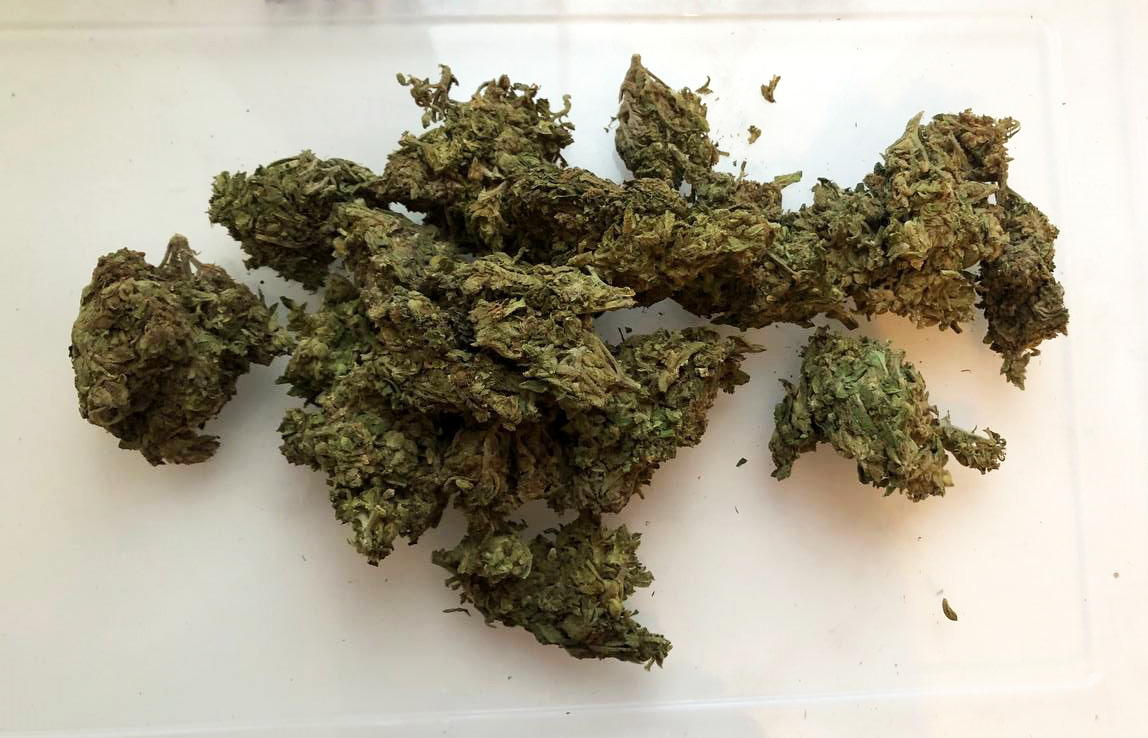
Top quality 420bud of different strains you can find around.
You won’t regret getting in touch with him . Highly recommended local plug his telegram / joshlegitplug.
we did give it a try and the delivery guy delay like ten minutes but he finally arrived and woow the buds were so good and thank u so much josh.
His dealings are smooth and fast and his buds are so so good.
We were lucky over here Me and my crew enjoy our trip our deliveries was very safe. we ordered both Satis and Indis It was a great experience and great feeling as we mix them both and have a good time.
So i affirmed with others that josh is the best local plug over here you will be well pleased with his service and quality.
I contacted him on his telegram and due to security reasons he requested crypto payments which i did, about 30minutes later my dope was dropped at my requested location great guy!!!
i highly recommend.
He supply me with his good quality and everything was so good ..Thanks u guys and Thank u so much Josh.
“Absolutely love how easy and seamless the process was! The delivery was quick, and the quality is always top-notch. You’ve earned a loyal customer!”
Really happy with the quality. Everything was smooth and exactly what I expected. The whole experience felt easy and reliable, which is something you don’t always find. Definitely appreciate the good service.