
Cannabis in Hamad Town — Comprehensive Overview
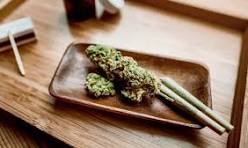
Cannabis, encompassing products such as marijuana, hashish, hemp derivatives, and chemical compounds like THC (tetrahydrocannabinol) and CBD (cannabidiol), is one of the most widely known controlled substances globally. Many nations have instituted policies ranging from strict prohibition to full legalization — either medicinally, recreationally, or both. In the Kingdom of Bahrain, including Hamad Town, cannabis remains fully illegal and subject to severe legal penalties. This article delves deeply into the legal framework, enforcement practices, cultural and health considerations, international comparisons, common misconceptions, and practical implications of cannabis policies in Hamad Town.
Historical and Cultural Context of Cannabis in Bahrain
Traditional Norms and Social Values
Hamad Town — a planned urban community known for its diverse population, family neighborhoods, and commercial centers — reflects broader Bahraini society, where cultural norms and family values play a significant role in shaping attitudes toward substance use. Bahrain is a predominantly Muslim country, and conservative social expectations often associate the use of intoxicants with legal, moral, and health risks. Alcohol itself is regulated and only available under licensed conditions, and drugs like cannabis are viewed with greater stigma and legal prohibition.
Islamic teachings, which inform significant aspects of Bahraini cultural and legal norms, traditionally discourage the use of intoxicants. As a result, substances that alter mental state — including cannabis — carry both legal and social disapproval. These cultural influences set the stage for Bahrain’s stringent national drug policies, which apply equally in Hamad Town.
International Drug Control Obligations
Bahrain is a party to major international drug control treaties, such as the United Nations Single Convention on Narcotic Drugs (1961) and related conventions that compel member states to criminalize the cultivation, possession, and distribution of certain substances, including cannabis. These treaty obligations reinforced Bahrain’s early decisions to adopt a strict prohibitionist approach, which continues today.
Hamad Town’s drug policies are not shaped by local ordinances but by national law informed by international commitments. While global cannabis debates evolve, Bahraini policy remains anchored in prohibition.
Legal Status of Cannabis in Hamad Town
National Law — Complete Prohibition
In Hamad Town, as across the Kingdom of Bahrain, cannabis is illegal in all forms. Bahraini law — particularly Law No. 15 of 2007 on Narcotics and Psychotropic Substances — classifies cannabis as a controlled narcotic subject to criminal penalties. This classification applies to:
- Marijuana flower
- Hashish
- Cannabis oil and resin
- Edibles containing cannabis derivatives
- Seeds intended for cultivation
- CBD products derived from cannabis
Under these laws, possession, use, sale, distribution, importation, exportation, and cultivation of cannabis are prohibited without exception.
No Legal Medical Cannabis Program
Unlike countries that have adopted medical cannabis regimes, Bahrain has no legal framework to permit the therapeutic use of cannabis or its derivatives. Hamad Town residents cannot legally obtain cannabis for medical purposes, even with a prescription. The Bahraini health system does not recognize or support medical cannabis, and healthcare providers are not authorized to prescribe it.
Even products considered non-intoxicating in other jurisdictions — such as low-THC CBD oils — are treated as contraband if they derive from cannabis plants and lack explicit government authorization.
Penalties and Criminal Sanctions
Bahraini penalties for cannabis offences are among the strictest in the world. Consequences depend on the nature of the offence:
- Possession for personal use: Imprisonment and large fines.
- Distribution or trafficking: Long prison sentences and heavy financial penalties.
- Import/export: Considered a serious trafficking offence with enhanced sentencing.
- Cultivation: Criminal charges with penalties often higher than those for possession.
Additionally, courts may order confiscation of property — such as vehicles or communication devices — used in connection with trafficking or distribution.
Importantly, foreign nationals living in Hamad Town who are convicted of cannabis offences often face deportation after serving any custodial sentence, along with potential re-entry bans.
Enforcement of Cannabis Laws in Hamad Town
Local Law Enforcement and National Agencies
Cannabis laws in Hamad Town are enforced by Bahraini national agencies, including:
- Royal Bahrain Police
- Anti-Narcotics Directorate
- Customs and Border Protection
Local police officers patrol streets, commercial areas, and residential neighborhoods and respond to tips, surveillance leads, and suspicious activities. While Hamad Town is not an international border zone, enforcement actions often arise through domestic intelligence and broader national anti-narcotics operations.
Arrests and Legal Process
An individual suspected of involvement with cannabis in Hamad Town may experience the following legal process:
- Detention by police.
- Interrogation and official charging.
- Prosecution in criminal courts.
- Sentencing upon conviction.
Evidence used in prosecution often includes possession of plant material, paraphernalia, digital communications indicating illegal sales, or testimony from law enforcement operations.
Bahraini courts generally apply statutory penalties with limited discretion to mitigate, particularly for clearly defined offences. First-time offenders do not automatically receive leniency and may still face substantial sentences.
Examples of Enforcement Trends
Although specific Hamad Town cases may not always be publicized, nationwide trends illustrate strict enforcement. Documented cases in Bahrain have included:
- Multi-year prison sentences and large fines for possession and distribution of cannabis.
- Convictions for attempted importation of cannabis products, including vapor cartridges and processed derivatives.
- Deportation orders for non-citizens after criminal conviction.
These documented patterns underscore the seriousness with which Bahraini authorities pursue cannabis offences across the country.
Health Perspectives and Public Policy
International Scientific Context
International research on cannabis reveals a complex risk–benefit profile. Key findings include:
- Psychoactive effects of THC, which can alter cognition and coordination.
- Dependence risk for some individuals with frequent or heavy use.
- Potential therapeutic uses of CBD and other cannabinoids in specific medical conditions (e.g., certain forms of epilepsy, chronic pain syndromes).
- Negative impacts in vulnerable populations, especially adolescents and individuals with predisposed mental health conditions.
Despite ongoing global research supporting potential benefits under regulated medical frameworks, Bahrain’s public health policy does not recognize or incorporate such findings into law.
Public Health Messaging in Hamad Town
Government agencies and community groups in Hamad Town and across Bahrain emphasize:
- The legal risks associated with cannabis involvement.
- Health risks, including cognitive and psychological concerns.
- Prevention and education programs targeted at youth in schools and community settings.
Public health campaigns often align with drug prohibition enforcement, discouraging experimentation with cannabis and highlighting consequences rather than harm reduction.
Treatment Options for Addiction
While Bahrain provides treatment services for individuals with substance use disorders, these programs do not act as legal substitutes for criminal prosecution. Individuals struggling with cannabis dependence may seek counseling and medical support, but seeking help does not change the legal status of the substance.
Social Attitudes and Community Dynamics in Hamad Town
Conservative Social Expectations
Hamad Town’s community reflects many of Bahrain’s broader social values, where traditional family structures and religious norms influence perceptions of substance use. Cannabis, like other illegal drugs, is associated with:
- Stigma and social disapproval
- Concerns about youth exposure
- Negative views on addiction and crime
These attitudes contribute to a social environment where open cannabis use is neither accepted nor visible.
Family and Community Role
Parents, educators, and religious leaders in Hamad Town often engage in dialogues about law-abiding behavior and healthy lifestyles. These conversations reinforce legal norms and discourage experimentation with illegal substances.
Social networks and community organizations also participate in awareness initiatives aimed at preventing cannabis use among young people.
International Policy Comparisons
Global Legal Trends
Around the world, cannabis policies range widely:
- Recreational legalization (e.g., Canada, Uruguay, some U.S. states)
- Medical legalization with regulated access (e.g., Germany, Australia)
- Decriminalization of small amounts (e.g., Portugal, Netherlands)
These jurisdictions emphasize regulated markets, product safety standards, and public health frameworks.
Bahrain’s Contrasting Position
Bahrain — including Hamad Town — maintains a prohibitionist regime:
- No decriminalization
- No medical cannabis program
- Severe penalties for all forms of cannabis activity
- Zero tolerance for importation, possession, or use
Compared to many Western and some Middle Eastern countries experimenting with reform, Bahrain’s approach remains among the firmest globally.
For more context on global cannabis policy variations and legal status in different countries, authoritative tracking can be found via the National Organization for the Reform of Marijuana Laws (NORML):
🔗 NORML – Global Cannabis Laws — https://norml.org
Common Misconceptions About Cannabis in Hamad Town
“Cannabis is decriminalized if the amount is small”
False. Bahrain does not decriminalize cannabis; even small amounts can trigger criminal charges.
“CBD products are legal because they are non-psychoactive”
Incorrect. CBD and other derivatives are treated as controlled substances if they originate from cannabis plants without government approval.
“Medical cannabis from another country is permitted”
Not true. Bahrain does not recognize foreign medical cannabis prescriptions or allow legal importation of such products.
“Punishments are lenient for first-time offenders”
Even first-time offenders may face prison time and fines due to the strict statutory framework.
“Only traffickers are punished”
Possession of any cannabis — regardless of scale — is illegal and prosecutable.
FAQs — Cannabis in Hamad Town
Is cannabis legal in Hamad Town?
No. Cannabis, including all forms — marijuana, hashish, oils, edibles, and derivatives — is illegal under Bahraini law and subject to criminal penalties in Hamad Town.
What are the penalties for possession?
Penalties include imprisonment, substantial fines, and potential deportation for foreign nationals. Sentences vary depending on the quantity and circumstances.
Can I use medical cannabis legally?
No. Bahrain does not have a legal medical cannabis program, and medical use is not legally permitted.
Are CBD products legal in Hamad Town?
No. CBD products derived from cannabis are considered controlled substances unless explicitly authorized — which Bahrain has not done.
What happens to foreign residents caught with cannabis?
Foreign nationals may face criminal prosecution, imprisonment, fines, and deportation following conviction.
Is cannabis culture visible in the community?
No. Due to legal risks and social stigma, there is no visible cannabis culture in Hamad Town.
Are there treatment options for cannabis dependence?
Yes, Bahrain offers addiction treatment services, but these do not replace legal consequences for possession or use.
Are there programs to educate youth about drug risks?
Yes, public health and community groups in Hamad Town and nationwide conduct programs to educate young people about the risks and legal consequences of drug use.
Conclusion
In Hamad Town, as throughout the Kingdom of Bahrain, cannabis remains strictly illegal under national law with no exceptions for medical, recreational, or personal use. The Bahraini legal system treats all forms and derivatives of cannabis as controlled narcotics, and penalties for possession, distribution, trafficking, or cultivation are severe. Enforcement efforts are active, and courts typically apply statutory penalties without leniency.
Socially, cannabis use carries stigma in the community, and public health messaging aligns with prohibited status rather than harm-reduction or legalization frameworks. Bahrain’s prohibitionist approach — informed by cultural norms, international treaties, and domestic policy priorities — contrasts sharply with reform movements in other regions, but remains firmly in place as of 2026.
Residents, expatriates, and visitors in Hamad Town should understand that involvement with cannabis in any form poses serious legal, social, and personal risks. Awareness of Bahraini law and compliance with strict prohibition is essential to avoid significant consequences.
For broader international comparisons of cannabis laws and policies, the NORML – Global Cannabis Laws resource provides ongoing analysis of global legal developments:
🔗 NORML – Global Cannabis Laws — https://norml.org
References
- Bahrain Law No. 15 of 2007 on Narcotics and Psychotropic Substances — national legal framework criminalizing cannabis.
- Public health and anti-drug education materials from Bahrain’s Ministry of Health and national authorities.
- Reports on cannabis enforcement and legal penalties across Bahrain.

The THCTravelGuide Editorial Team is committed to providing accurate, well-researched, and up-to-date information on cannabis laws, regulations, and cannabis-friendly travel information around the world. Our content is based on publicly available legal sources, government publications, and reputable references to help readers better understand local laws and make informed travel decisions. We strive to deliver educational, reliable, and regularly updated content while encouraging responsible travel and compliance with local regulations.
Just because you’re traveling to Hamad doesn’t mean you have to stop smoking dope. Pot is everywhere, you just need to know where to look. We came across a local plug ([email protected])and he sorted us out in style. He sells quality dope and other stuffs. He delivers discreetly anywhere in Hamad.
All you have to do is follow his instructions.
We have used his services more than once and everything went on smoothly after we did everything he told us to do.
You can also find him on telegram as: joshlegitplug
The quality of the weed itself. I opted for a variety of strains to cater to different preferences and occasions, and I am delighted to report that each one exceeded my expectations.
He made my visiting here a perfect one Hit him up for a smoke and get shit delivered to you accordingly.
The buds were fresh, fragrant, and beautifully trimmed, reflecting the care and expertise that went into their cultivation and processing. Whether I was looking for a relaxing indica for unwinding after a long day or a stimulating sativa for creative endeavors, Josh delivered on all fronts.
we did give it a try and the delivery guy delay like ten minutes but he finally arrived and woow the buds were so good and thank u so much.
I have no hesitation in recommending Josh to anyone seeking a reliable source of high-quality cannabis products and outstanding customer service. They have earned my trust and loyalty as a customer, and I look forward to continuing my journey with them.
Thank you for consistently exceeding my expectations and for your dedication to providing an exceptional cannabis experience. You have truly set yourselves apart in this industry, and I eagerly anticipate my next order with you.
The quality of the weed I received was outstanding! Smooth transaction, fast delivery, and top-notch product. Highly recommend.
“I’m really impressed with the service and the product. The weed is fresh, well-packaged, and exactly as described. Thank you
Absolutely loving the strains I ordered! Superb quality and great customer service. You guys are my new go-to!”
“I appreciate the care taken in packaging my order. The buds are fresh and aromatic. Definitely exceeded my expectations.”
“Great service and great product. Thanks for keeping me a happy customer!
“Absolutely love how easy and seamless the process was! The delivery was quick, and the quality is always top-notch. You’ve earned a loyal customer!”
Really happy with the quality. Everything was smooth and exactly what I expected. The whole experience felt easy and reliable, which is something you don’t always find. Definitely appreciate the good service.
“Just finished dinner, hit Josh up for some hash didn’t think he’d move that quick fr. Sent him the spot, and before I even wiped the table down he’s outside posted up 😮🫚 Smooth meet, no games, hash is straight quality rich, clean, hits exactly how it should. Dude don’t mess around fastest connect I got, hands down. Locked in, ain’t calling nobody else 💯🔥”
“Hit up Josh and sent over the coffee shop address to meet at. I was literally still driving there, hadn’t even pulled into the lot yet, when the message popped up he was already there waiting. That’s how it goes, fast every single time. Everything went smooth, exactly what I expected and more. Trust me when I say this guy’s the real deal. Reliable, quick, solid through and through. I’m not looking anywhere else from now on 🌿✨”
I trusted him with my order and he came through perfect. Got a sativa strain plus a 2g sativa cart, exactly what I asked for. He was quick to reply the whole time, super kind and easy to talk to, no sketchy vibes at all. Quality’s on point too, fresh, smooth, hits right. Solid guy all around. Highly recommended if you want someone you can count on.